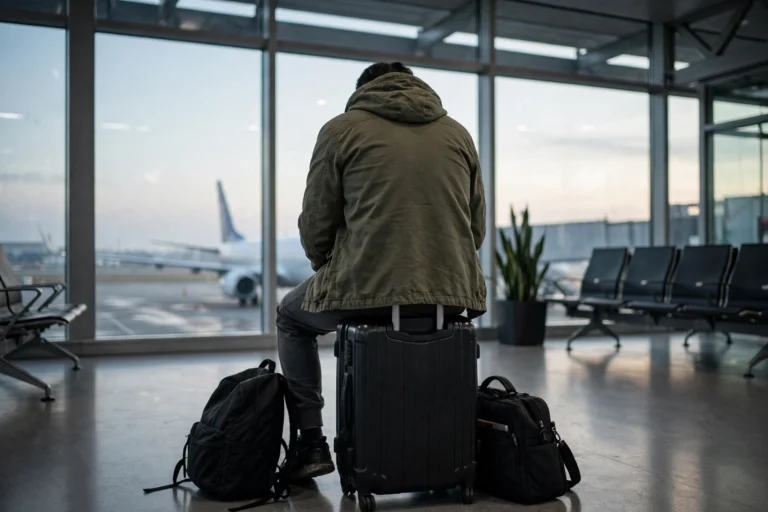
Digital nomad burnout usually comes from a mix of ordinary work stress and the extra load of life on the move: constant planning, time zone clashes, unstable income and loneliness. The most effective protections are also the least glamorous: travel more slowly, keep fixed work hours, build a few routines that go everywhere with you, stay connected to people, and get professional support early rather than waiting for a crisis. This guide explains how to spot burnout, what makes nomads more vulnerable, and how to get help when you are abroad.
If you are in crisis or thinking about harming yourself, contact local emergency services now, or find a free, confidential helpline for the country you are in at findahelpline.com.
What burnout actually is
The World Health Organization describes burnout as a syndrome resulting from chronic workplace stress that has not been successfully managed. It classifies burnout as an occupational phenomenon rather than a medical condition, and defines it by three dimensions:
- Exhaustion: feeling drained or depleted of energy.
- Mental distance: feeling cynical, negative or detached from your work.
- Reduced effectiveness: feeling that you are getting less done or doing it less well.
Burnout overlaps with anxiety and depression, but it is not the same thing. If low mood, worry or hopelessness affects every part of your life rather than mainly your work, or lasts for weeks regardless of rest, speak to a doctor or mental health professional.
Why digital nomads are especially vulnerable
Constant logistics and decision fatigue
Every move brings dozens of small decisions: where to live, how to get there, which SIM to buy, where to work, where to eat. On top of a full workload, that planning is exhausting. A Passport Photo Online survey found about 51% of nomads experience road fatigue often or always.
Loneliness
Being surrounded by new people is not the same as being known by them. In the same survey, 40% of nomads said they often or always feel lonely. Isolation makes stress harder to handle and removes the people who might notice you are struggling.
Always-on work across time zones
Working with teams or clients in other time zones can stretch your working day at both ends: early calls with one region, late messages from another. Without an office to leave, work quietly fills every hour.
Financial uncertainty
Freelance and self-employed income varies from month to month, and paying for flights, deposits and insurance can make any dip feel urgent. Financial stress was the most commonly reported challenge in the Passport Photo Online survey, cited by 27% of nomads.
Pressure to be having the time of your life
When your life looks like a holiday to everyone else, admitting you are tired or unhappy can feel ungrateful. Many nomads push through for too long because they feel they have no right to complain.
Warning signs to watch for
- You are tired even after a full night’s sleep or a weekend off.
- New places no longer interest you, and you stay in your room when you are not working.
- You dread opening your inbox or feel irritated by clients and colleagues you used to like.
- Work that used to take an hour now takes all afternoon.
- You are sleeping badly, drinking more, or relying on caffeine to get through the day.
- You keep booking the next destination hoping it will make you feel better.
One or two of these during a hard week is normal. Several of them for more than a couple of weeks is a signal to change something.
How to prevent burnout on the road
1. Travel more slowly
This is the single biggest change most nomads can make. Staying one to three months per place removes most of the logistics, lets you build routines and gives friendships time to form. Our slow travel guide explains how to plan it.
2. Keep fixed working hours
Decide your working hours for each base, put them in your calendar and share them with clients or your team. Turn off work notifications outside those hours. If time zones force early or late calls, shorten the rest of that day rather than adding the calls on top.
3. Carry your routines with you
A few habits that stay the same everywhere provide stability when everything else changes: a regular wake-up time, a daily walk or workout, a weekly planning session, and one evening a week with no screens. See work-life balance as a digital nomad for routines that travel well, and how to stay fit while traveling for simple workouts.
4. Protect your sleep
Jet lag, noisy apartments and late calls all chip away at sleep, and poor sleep makes stress much harder to manage. Plan a recovery day after long flights, carry an eye mask and earplugs, and keep a consistent sleep schedule. Our guide on how to beat jet lag covers the science.
5. Build connection on purpose
Join a coworking space, a coliving house, a sports club or a language class in each place. Keep regular calls with friends and family at home, and return to the same bases so relationships can deepen. Our guide to making friends while traveling solo has practical ideas.
6. Reduce money stress
An emergency fund of three to six months of costs turns a lost client from a crisis into an inconvenience. Paying yourself a fixed monthly amount from a separate account smooths out uneven income. See how to travel full-time on a budget and how to build multiple income streams.
7. Take real time off
Working from a beautiful place is not a holiday. Schedule proper breaks with no laptop, just as you would in a regular job. Many long-term nomads also take a few weeks at “home”, wherever that is, each year.
Managing everyday stress and anxiety
Small habits help keep day-to-day stress from building up:
- Close the loop each day. Write tomorrow’s top three tasks before you stop work so your mind can switch off.
- Take breaks away from the screen. A short walk outside does more than scrolling on your phone.
- Move your body daily. Regular physical activity is one of the most reliable ways to lower stress.
- Try a short mindfulness or breathing practice. Apps can guide you; see our roundup of yoga and meditation apps for travelers.
- Watch alcohol and caffeine. Both are easy to overuse in social nomad scenes and both affect sleep and anxiety.
Getting professional help while abroad
Online therapy and the licensing catch
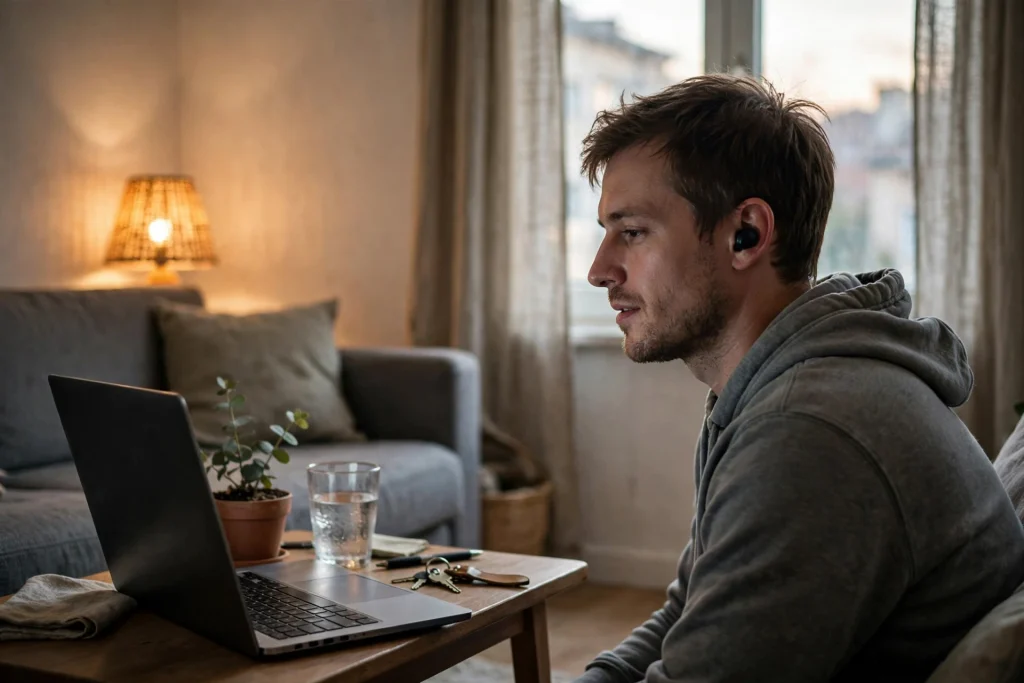
Online therapy is the most practical option for many nomads, but there is a detail most people miss: therapist licensing generally depends on where the client is physically located during the session, not where the therapist is based or where you are from. A therapist licensed in one country or US state may not be allowed to see you when you are somewhere else. Before you travel, tell your therapist your plans and ask whether they can continue sessions from your destinations. If not, look for therapists or platforms that specifically work with expats and internationally mobile clients.
Local therapists
Popular expat and nomad cities often have English-speaking therapists who understand life abroad. Ask in local expat groups, check international clinics, or ask your embassy, which may keep a list of English-speaking health professionals.
Check your insurance
Mental health coverage varies widely between nomad and travel insurance plans. Some cover outpatient therapy; others cover only acute psychiatric emergencies. Read the policy wording before you need it, and do not assume your home health plan works abroad.
Medication across borders
If you take medication for anxiety, depression, ADHD or sleep, plan ahead. Some medicines that are common at home are restricted or banned in other countries, and you may need a doctor’s letter or advance permission to bring them in. Check the rules with each destination’s embassy, carry prescriptions in original packaging, and plan how you will get refills abroad.
If you are already burned out
- Stop moving. Extend your stay, or go somewhere familiar and easy. A new destination will not fix exhaustion.
- Reduce your workload. Talk to your manager or clients, push back deadlines, pause new projects, or take leave if you can.
- Get the basics back. Sleep, regular meals, daylight and some movement come first.
- Talk to someone. A friend, a family member, a therapist or a doctor. You do not need to have it all figured out first.
- Question the setup, not just yourself. Burnout usually signals that the way you are working and traveling needs to change. That might mean a slower pace, a home base or a different kind of work.
Frequently asked questions
Is digital nomad burnout common?
Road fatigue and loneliness are widely reported. Around half of nomads in one survey said they experience road fatigue often or always, and 40% said they often or always feel lonely. Both are major contributors to burnout.
Can I keep seeing my therapist while I travel?
Sometimes. Licensing usually depends on where you are physically located during each session, so ask your therapist before you go whether they can legally continue from your destinations.
How long does it take to recover from burnout?
It varies from weeks to months depending on how severe it is and how much the underlying causes change. Rest alone rarely fixes it if you return to the same workload and pace afterwards.
Last reviewed: September 2026. This article is general information and is not a substitute for professional medical or mental health advice. If you are struggling, please reach out to a qualified professional or a local helpline.