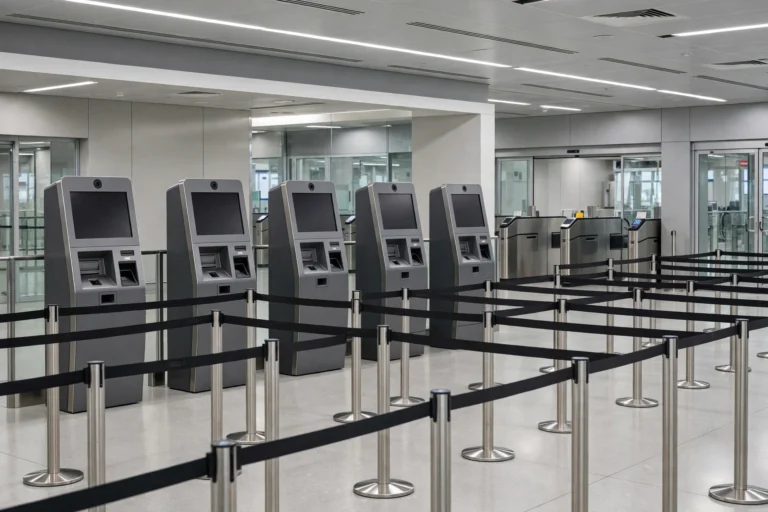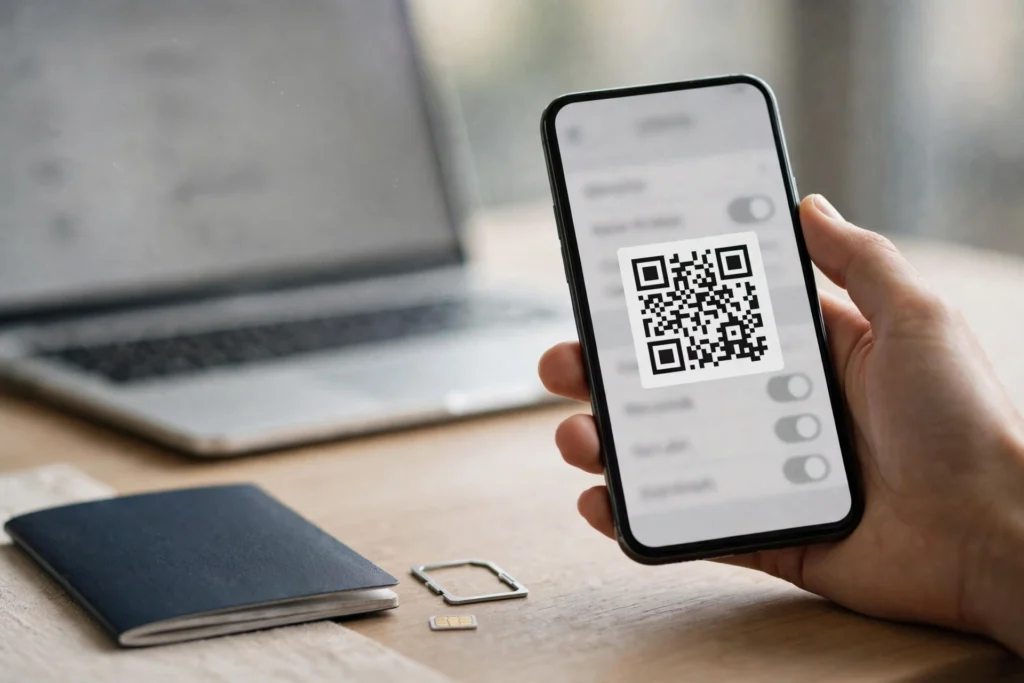
For a stay of a few weeks, a travel eSIM is usually the simplest way to get data abroad. For months in one country, a local plan is often cheaper and gives you a local number, but only if you can complete the registration, and some countries add extra rules for long stays. The eSIM vs local SIM choice depends on how long you stay, how much data you use, whether you need a local number and how strict the country’s SIM rules are. This guide compares an eSIM for digital nomads with a local SIM on long stays, explains the registration and validity traps, shows how to choose the best travel eSIM for your trip, and gives you a checklist to run before you buy. It does not rank providers, because prices and terms change quickly.
It is general information, not legal or technical advice. Rules differ by country and by phone, so confirm details with your carrier and the official sources.
The short version
- Travel eSIM. Installed from home, usually data-only, no shop visit. Convenient, but plans have fixed data and validity, and long stays mean repeated top-ups.
- Local SIM or local eSIM. Often better value and a local number for deliveries and banking, but many countries require passport registration, and some check your phone’s registration after a set number of days.
- Keep your home number active on a dual-SIM phone for texts and one-time codes, and use the data plan for everything else.
- Always have a backup, such as a second plan or a hotspot, because a dropped connection can cost you a client call.
eSIM vs local SIM: how they compare for long stays
| Factor | Travel eSIM | Local SIM or local eSIM | Roaming on your home plan |
|---|---|---|---|
| Setup | Install before you travel, activate on arrival | Buy in person or online, often with passport and phone checks | Nothing to set up |
| Cost on a long stay | Fine for weeks, but top-ups add up over months | Often the cheapest per gigabyte for months in one country | Usually the most expensive unless your plan includes it |
| Local phone number | Usually data only | Usually yes, with calls and texts | Your home number |
| Registration | Often none, since the plan works through roaming agreements | Often passport registration, and sometimes handset rules | None |
| Validity | Fixed periods such as 7, 15 or 30 days | Packs often last 30 days, with top-ups in an app or shop | Depends on your plan |
| Coverage | Works on partner networks, sometimes with lower priority | Direct on the carrier’s own network | Partner networks |
| Hotspot and tethering | Some plans restrict it | Usually allowed, with fair-use limits | Depends on your plan |
Provider-published guides show that a month of mobile data in popular nomad countries often costs only a few to a few tens of dollars, so price matters less than rules, reliability and how often you must top up. For heavy users staying months in one country, a local SIM vs eSIM comparison usually favors the local plan; for people who move every few weeks, a regional or global eSIM saves repeated shop visits.
How to choose the best travel eSIM
There is no single best travel eSIM, because the right one depends on where you go and how you work. Instead of a ranking that goes stale, compare any provider on these points:
- Which network it uses. Look for the local carriers named in the plan, since coverage on a strong network matters more than the brand.
- Data, validity and what happens when it runs out. Check whether you can top up in the app and whether speeds drop after a fair-use limit on “unlimited” plans.
- Hotspot rules. If you tether your laptop, confirm that the plan allows it.
- Coverage across your route. A regional plan helps if you cross borders often, but it may cost more per gigabyte than a single-country plan.
- Support and refunds. Reliable chat support and a clear refund policy matter when a plan fails to connect on arrival.
- A trustworthy source. Buy from the provider’s own website or app, not from a link in a message.
Registration and phone rules: eSIM for Thailand and Bali
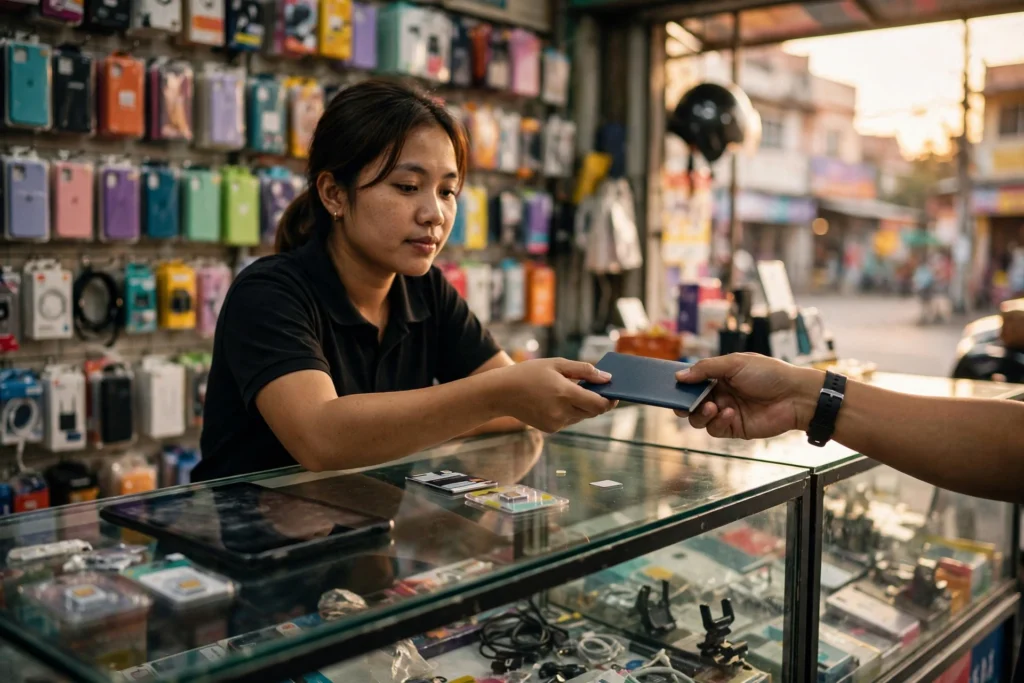
- Thailand. Physical local SIMs are reported to require passport registration at the point of sale, so expect a queue and some paperwork. An eSIM for Thailand is often installed without a shop visit, which is why many visitors choose one. See our Destination Thailand Visa guide and Chiang Mai guide for the wider picture.
- Indonesia and Bali. Official operators register a tourist SIM against your passport, and the registration is reported to cover up to 90 days. Phones bought abroad may need their IMEI registered with customs for longer stays, and unregistered devices may be blocked after the 90 days. If you are choosing an eSIM for Bali, check whether the plan is a local eSIM that needs registration or a roaming-based travel eSIM, and read our Bali guide before a long stay.
- Elsewhere. Many countries require ID to activate a SIM, and some tie data packs to 30-day periods. Ask the carrier what happens after your visa or registration period ends.
A checklist before you buy
- Is your phone unlocked and eSIM-compatible? Check your phone’s settings for a digital SIM option and confirm with your carrier that it is not locked.
- How long will you stay, and in how many countries? One country for months favors a local plan; several countries favor a regional eSIM.
- How much data do you need? Video calls, cloud backups and tethering use far more than maps and messaging, and “unlimited” plans often slow down after a fair-use limit.
- Do you need a local number? Deliveries, rentals, coworking and local banking often ask for one.
- Is hotspot allowed? If your laptop depends on your phone as a backup, make sure tethering is permitted.
- What are the validity and top-up rules? Note when the clock starts, and activate on arrival rather than at installation if the provider allows it.
- What happens at the end? Check whether unused data expires and how to renew without a shop visit.
Keep your home number for texts and one-time codes
On a dual-SIM phone you can keep your home SIM installed for texts and bank codes while a data plan on the eSIM carries your traffic. Switch roaming off on the home line to avoid surprise charges, and set up an authenticator app so you do not depend on text messages for important logins. Be careful about where you buy: use the official provider, not a link from a message, because fake plans and phishing are common; our guide to digital nomad scams lists the red flags.
Build a backup connection
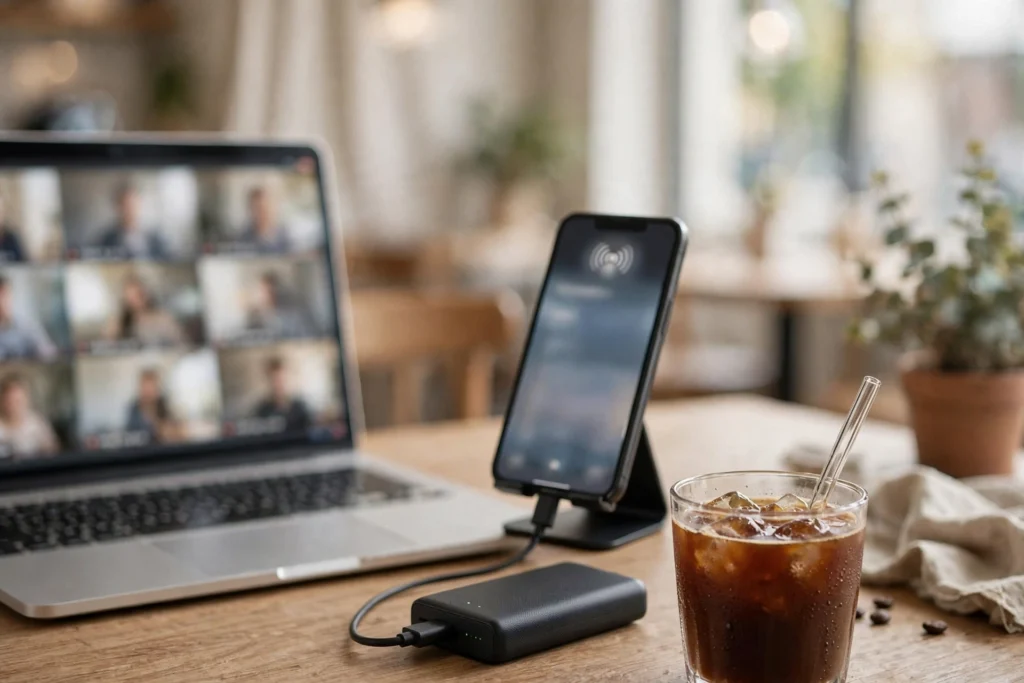
For remote work, one connection is a single point of failure. Pair the Wi-Fi at your accommodation or coworking space with your phone as a hotspot, keep a power bank charged, and consider a second plan from a different network for important weeks. If you work with clients in other time zones, a dropped call is harder to reschedule; see time zone overlap for digital nomads. Our packing list includes the power and connectivity kit worth carrying.
Frequently asked questions
Is eSIM better than a local SIM for digital nomads?
For short stays and frequent moves, a travel eSIM is usually easier. For months in one country, a local plan is often cheaper and provides a local number, but it may need passport registration and phone checks.
Can I use a travel eSIM for several months?
Often yes, by buying plans or top-ups in sequence, but costs add up and some plans have fair-use limits or restrictions. Compare the monthly cost with a local plan and check whether the provider allows renewals without reinstalling.
Do I need to register a SIM card abroad?
Many countries require ID to activate a local SIM, and Thailand is reported to require passport registration for physical SIMs. Rules differ by country, so check with the carrier or the official telecom regulator before you travel.
What is the best travel eSIM?
It depends on your destination, data needs and how long you stay, so we do not name one. Compare the network, data and validity, hotspot rules, coverage across your route and the provider’s support and refund policy.
Can I use my phone as a hotspot with an eSIM?
Many plans allow tethering, but some restrict it, so check the plan terms before you rely on it as a backup for your laptop.
What if my phone does not support eSIM?
Use a physical local SIM, or a pocket Wi-Fi device, or buy an eSIM-compatible phone. Make sure your phone is unlocked, because a locked phone will not accept a foreign SIM.
Last reviewed: October 2026. SIM registration rules, plan terms and prices change and vary by country and carrier, and some guidance comes from provider-published sources. This article is general information, not legal or technical advice, and it does not recommend specific providers. Confirm details with your carrier and official regulators.