
Chiang Mai is a strong first base for remote workers who want low costs, a large established community and a slow pace, as long as they plan around the burning season from about February to April, when air quality can become hazardous. Most guides put a typical month at around $1,200, with lean months from about $800 and comfortable ones up to $2,500. The city’s weak points are the seasonal smoke, limited public transport and a visa and tax picture you need to understand before you commit.
This guide covers the three things that decide whether Chiang Mai works for you: community, health and costs. Figures are 2026 estimates from published guides and cost indexes, so check current listings before you book. It is general information, not legal, tax or medical advice.
Chiang Mai at a glance
| What to know | |
|---|---|
| Typical monthly cost | Around $1,200 for a typical nomad (Nomad List’s index showed about $1,187 in mid-2026); roughly $800 lean to $2,500 comfortable |
| Best months | November to February, when the weather is cool and the air is clearer |
| Worst months | February to April, with the burning season peaking around March |
| Time zone | UTC+7: your afternoons overlap with European mornings, and your mornings with US West Coast evenings |
| Legal stay | Thailand’s Destination Thailand Visa (DTV) is the main nomad route |
| Healthcare | Good private hospitals, widely used by foreigners |
| Getting around | Scooters, ride-hailing apps and songthaew trucks; limited public transport |
Visa and tax
The DTV asks for around 500,000 baht in funds and a 10,000 baht fee, allows up to 180 days per entry over five years, and can be extended once by 180 days. It is for people working for employers or clients outside Thailand. New documents apply to applications from 31 August 2026, and since 15 September visa-free tourist stays for many nationalities are 30 days rather than 60, so a longer stay generally means applying for the DTV first. Our Destination Thailand Visa guide covers the documents, costs and application steps. The best countries guide compares the DTV with other programs, and the visas guide explains how applications work in general.
Tax is the catch. Spending 180 days or more in a calendar year generally makes you a Thai tax resident, whatever visa you hold. Since 1 January 2024, foreign income that a resident brings into Thailand is generally taxable, even if it was earned in an earlier year, and the DTV itself grants no tax exemption. A single maximum-length stay already reaches 180 days, so plan your days and get advice from a cross-border tax professional. Our digital nomad taxes guide explains how tax residency works and what to track.
What it costs
| Item | Reported 2026 range |
|---|---|
| One-bedroom in Nimman | About 12,000 baht a month, roughly $350 to $385 |
| One-bedroom in Santitham | About 8,000 baht a month, roughly $230 to $255 |
| Coworking | Day passes from about 200 baht; monthly memberships from about 3,500 to 5,500 baht in guides checked |
| Air purifier rental | About 700 to 1,000 baht a month, if your rental does not include one |
| Deposit | Typically two months’ rent, sometimes negotiable for longer leases |
Exchange rates move, and guides use different ones, so treat the dollar figures as approximate. Rent is where Chiang Mai stays cheap or stops being cheap: the same one-bedroom costs about 50% more in the most popular district than in a local one. Numbeo’s May 2026 data also showed overall living costs (excluding rent) above those of Ho Chi Minh City, so Chiang Mai’s edge today is more its community than rock-bottom prices. See how to travel full-time on a budget for how it compares.
Where to live
- Nimman. The most developed nomad area, with cafés, coworking spaces and restaurants close together, and the highest rents.
- Santitham. North of the Old City, cheaper and more local. One guide describes it as where many nomads move after their first month in Nimman.
- The Old City. Central and full of heritage, but quieter at night and more geared to visitors than long-term residents.
Book one to two weeks in a guesthouse first, then look at monthly rentals in person. Many rentals include an air purifier, which is worth asking about.
Community and workspaces
Chiang Mai has been one of the most established nomad communities in Southeast Asia for years, so meeting people is unusually easy. Coworking spaces run networking events, and local Facebook groups for nomads and residents are the usual way to find meetups, rentals and recommendations. Cafés across the city tolerate long work sessions. Guides describe fiber internet as fast in many condos and coworking spaces, but ask your host for a speed test.
The community has a downside: it is transient, and some long-term residents feel the city is less special than it was. If loneliness is your main worry, our guides to making friends while traveling solo and digital nomad burnout explain how to build routines that last beyond the first month.
Health: air quality and healthcare
The burning season
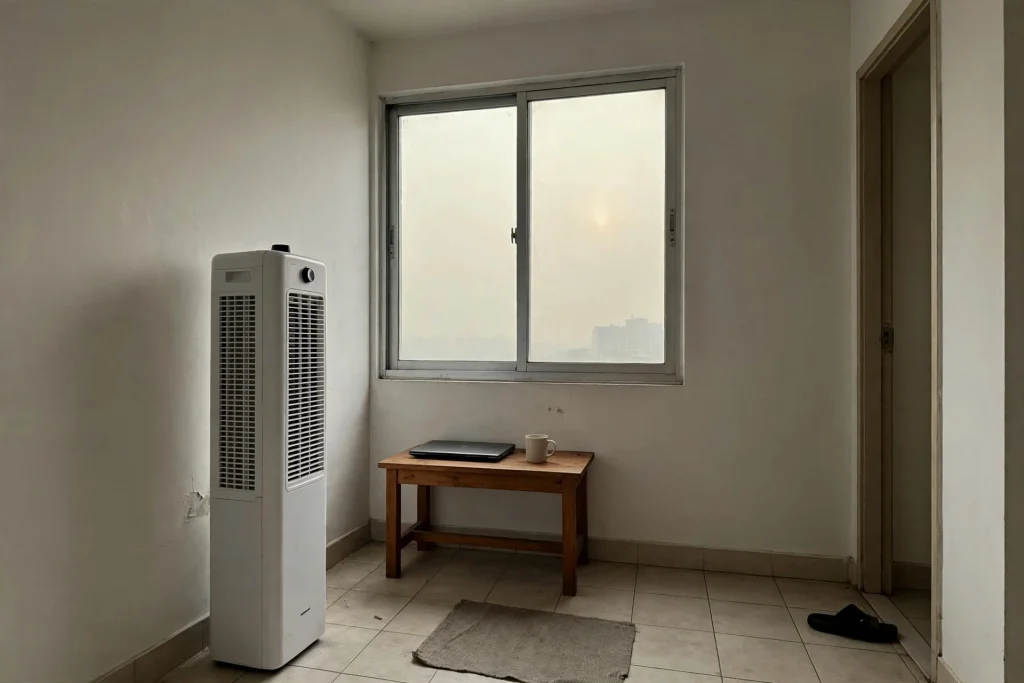
Agricultural burning from roughly February to April, peaking around March, can push the air quality index above 200 and sometimes above 300. Chiang Mai reached an AQI of 263 on 29 March 2026, according to IQAir data cited in one 2026 guide, and it has topped global pollution rankings on bad days. If you have asthma, a heart condition or another reason to avoid polluted air, treat these months as a hard no.
- Schedule your stay for November to January if you can, and be somewhere else in March.
- Many residents leave for the coast or Bangkok, which often have cleaner air in March.
- If you stay, check the AQI daily, keep windows closed, run an air purifier, and limit outdoor exercise on bad days. A well-fitted respirator-style mask is generally advised over a cloth mask for time outdoors.
Healthcare and insurance
Private hospitals such as Chiang Mai Ram and Bangkok Hospital Chiang Mai are popular with foreigners, and many doctors speak English. Public hospitals are cheaper but less foreigner-friendly, so most remote workers use private care and insurance. Read how to choose health insurance as a digital nomad before you go, especially if you plan to rent a scooter, since scooter accidents are a widely cited leading claim. For food and water safety, see how to eat healthy on a budget while traveling.
Getting around and staying connected
Public transport is limited, so people use ride-hailing apps, the red songthaew trucks or a rented scooter. Only ride if you have the right license and a helmet, and check your insurance covers it. A local SIM or eSIM gives you a backup for calls, and Nimman and Santitham are both walkable for daily errands.
Who Chiang Mai suits, and who it does not
- A good fit: first-time nomads, budget-conscious workers, people who want an instant community, and anyone who can spend November to January here.
- A poor fit: people with respiratory conditions arriving between February and April, anyone who needs a car-free city with strong public transport, and anyone who wants clear long-term legal status without tax planning.
Our slow travel guide explains why a month is the minimum test, and work-life balance as a digital nomad has sample schedules for working with European or American teams from a UTC+7 base.
Frequently asked questions
Is Chiang Mai still good for digital nomads in 2026?
Yes, for one to three months outside the burning season. Costs are still low relative to Europe and North America and the community is one of the region’s most established. The main drawbacks are the seasonal smoke, limited public transport and visa and tax complexity.
When is the worst time to be in Chiang Mai?
From roughly February to April, with the worst air typically around March. Air quality can reach hazardous levels, and many residents leave the city for those weeks.
How much does a month in Chiang Mai cost?
Around $1,200 for a typical nomad, from about $800 for a lean month to about $2,500 for a comfortable one. Your neighborhood matters most: a one-bedroom in Nimman costs about 50% more than one in Santitham.
Do I pay Thai tax if I live in Chiang Mai on a DTV?
Not automatically, but spending 180 days or more in a calendar year generally makes you a Thai tax resident, and foreign income you bring into Thailand can then be taxable. The visa itself gives no exemption, so get advice before you plan a long stay. See our digital nomad taxes guide for how residency works.
Last reviewed: October 2026. Costs, visa rules, tax rules and air quality vary and change. Figures are reported estimates and exchange rates move. This article is general information, not legal, tax or medical advice; confirm details with official sources and qualified professionals.