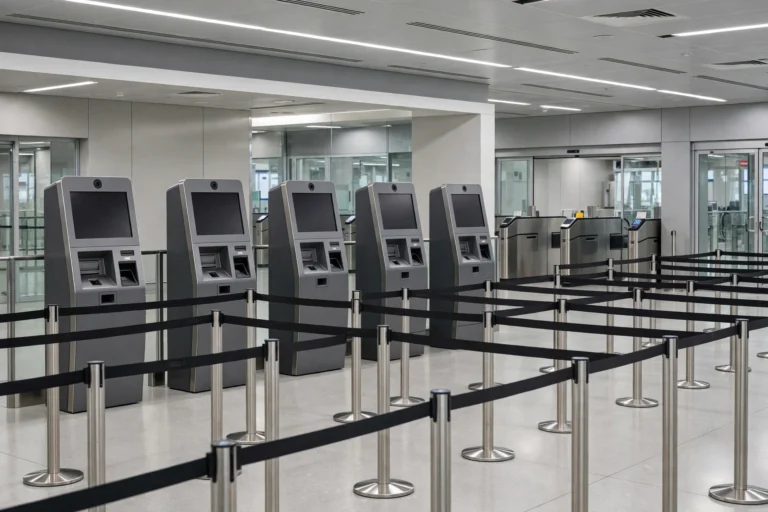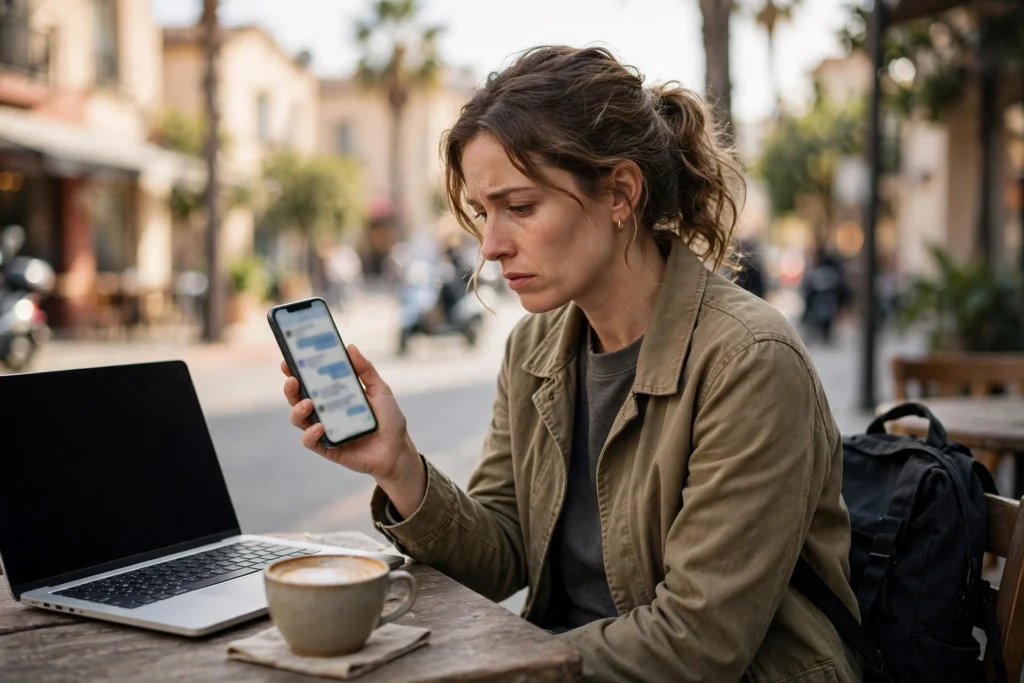
The digital nomad scams that cost the most money are fake rental listings, fake job offers, fake visa websites and ATM skimmers that copy your card, and almost all of them rely on the same trick: pressure to pay quickly, upfront or by a method you cannot reverse. Travel scams of every kind work well on nomads because they move often, rent unseen, apply for visas online and work with strangers across borders. This guide explains the main scams, the red flags that give them away, and what to do if you have already paid. It is general information, not legal advice, and no checklist makes you immune.
The short version
- Never pay a deposit for a place you have not seen, or seen through a live video tour with the real landlord.
- Never pay to get a job. Real employers do not charge for training, equipment or background checks.
- Use the government’s own website for visas, not a lookalike that charges extra.
- Check the ATM before you insert your card, and use machines inside bank branches.
- Act fast if you slip. Call your bank, report the scam and change your passwords the same day.
Common scams at a glance
| Scam | How it works | Red flags | What to do |
|---|---|---|---|
| Fake rental listing | A copied or invented listing is posted with the scammer’s contact details, and you pay a deposit to “hold” it | Rent far below the area average, money before a viewing, pressure to decide today, off-platform payment | View in person or by live video with the real landlord, search the address, and pay only by traceable methods against a signed lease |
| Fake job offer | A “recruiter” offers a remote job and asks you to pay for equipment, training or a check, or to forward part of a check | No real interview, chat-app hiring, upfront fees, tasks that need a deposit | Verify the company and recruiter domain, and never pay or forward money |
| Fake visa or immigration site | A lookalike website sells the visa or “fast-track” service at extra cost, or harvests your documents | Not the official government domain, extra fees, guaranteed approval | Start from the government’s own immigration site and pay there |
| ATM skimmer and card fraud | A skimming device or hidden camera copies your card and PIN, or a bystander distracts you | Loose or bulky card readers, odd attachments, a thick keypad, strangers offering help | Use ATMs inside bank branches, cover the keypad, and set card alerts |
| Phishing and fake Wi-Fi | Messages or networks imitate banks, landlords or cafés to steal logins | Urgent links, requests for codes, open networks with similar names | Use your own mobile data for banking and never share one-time codes |
| Investment and romance scams | A new contact steers you towards a fake platform or an urgent money request | Guaranteed returns, secrecy, moving to another app | Stop, talk to someone you trust and verify any platform with a regulator |
Rental scams: the biggest risk for new arrivals
Rental fraud is the scam new arrivals meet first. The US Federal Trade Commission reports that since 2020 consumers have reported nearly 65,000 rental scams, with losses of about $65 million. In the 12 months to June 2025, about half of the people who reported a rental scam said it began with a fake ad on Facebook, and people aged 18 to 29 were three times more likely than other adults to report losing money. Nomads who search for rooms and villas in social media groups are exactly the audience these ads target, and the same tricks show up as fake leases and apartment scams wherever you rent.
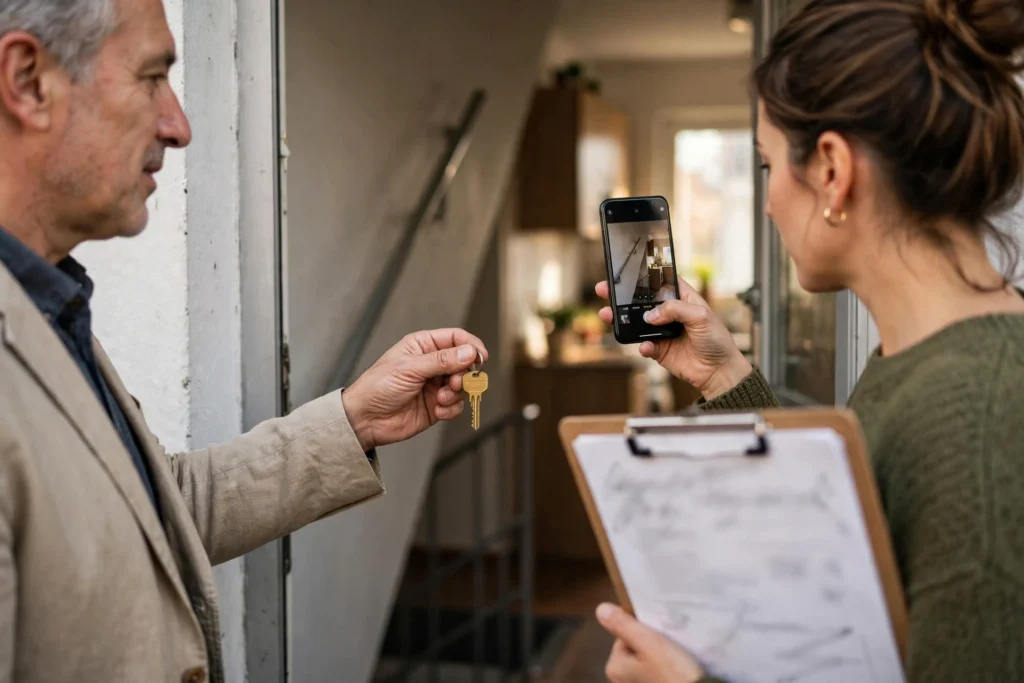
- Book a short stay first. Stay a week in a guesthouse or serviced apartment, then rent in person. Our city guides, such as Bali and Chiang Mai, recommend this approach.
- Search the address and photos. Look for the same property listed at a different price, with different contacts or for sale, and run a reverse image search on the pictures.
- Be suspicious of a price much lower than similar places. That is one of the FTC’s own warning signs.
- Do not pay upfront to “hold” a place you have not seen. Application fees, deposits and first month’s rent are the usual hooks.
- Prefer a signed agreement and a traceable payment. Cash or transfer to a personal account makes recovery hard.
Job scams aimed at remote-work seekers
According to the FTC, reports of job scams tripled between 2020 and 2024, and reported losses rose from $90 million to $501 million. Beginners hunting for remote work are a prime target. Walk away if you are asked to pay for training, equipment or a background check, if the offer comes without a real interview or only over a chat app, if you are sent a check and told to forward part of it, or if “tasks” require you to deposit money first. Our guides to digital nomad jobs and becoming a digital nomad with no experience explain how to find real roles.
Fake visa websites
Lookalike sites that charge extra for visas and e-visas are common wherever applications go online. The safest habit is to begin on the government’s own immigration or foreign ministry site and to type the address yourself or follow it from an official embassy page. For example, Thailand’s e-visa applications go through the official Thai e-Visa site, as our Destination Thailand Visa guide explains. Be wary of anyone who guarantees approval, and see digital nomad visas explained for what a real application involves.
ATM skimmers, card fraud and Wi-Fi safety
An ATM skimmer is a skimming device fitted over or inside a machine’s card slot or keypad to copy your card details, often paired with a tiny hidden camera or a fake keypad that records your PIN. Nomads are exposed because they withdraw cash in unfamiliar places, often from street machines near tourist areas. Fraudsters rely on you not noticing small changes to the machine.
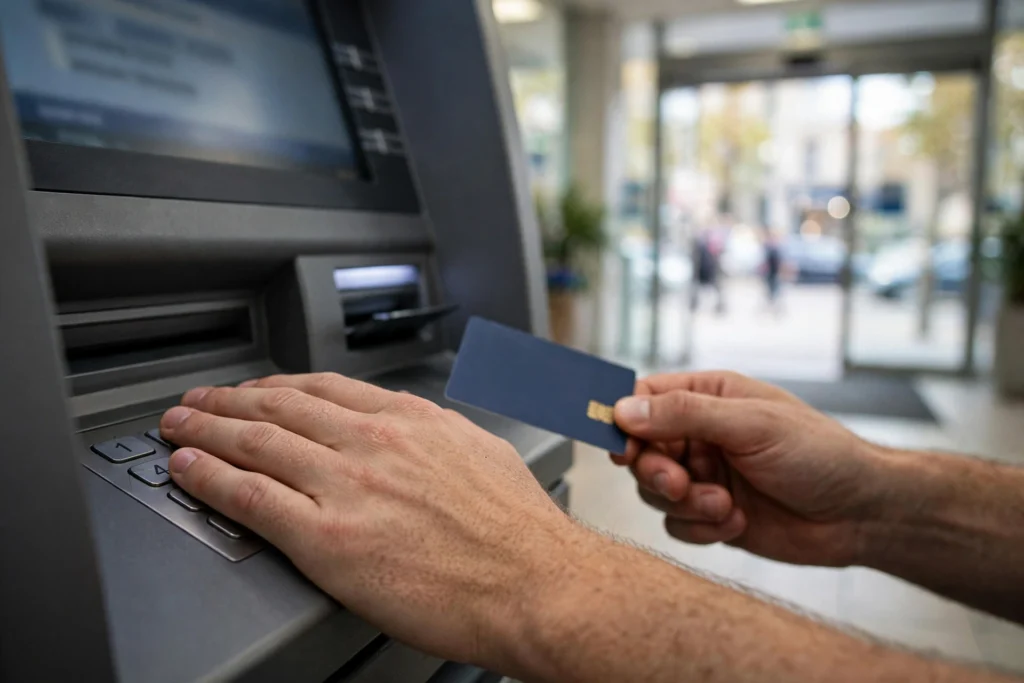
- Look before you insert. Warning signs of a card skimming device include a card reader that is loose, bulky or a different color from the rest of the machine, a keypad that feels thick or raised, and small holes or panels above the keypad where a camera could hide. Give the card reader a gentle tug and walk away if anything moves.
- Use ATMs inside bank branches or in well-lit, staffed lobbies rather than machines on the street, which are easier to tamper with unnoticed.
- Cover the keypad and ignore strangers who offer help or try to distract you.
- Carry two cards from different banks, keep one in a separate place, and turn on transaction alerts so you spot unusual withdrawals quickly. Our guide to credit cards for digital nomads explains the fees and protections to check.
- Use your own mobile data for banking. Public Wi-Fi and lookalike networks can be used to harvest logins, and a reliable backup connection helps; see eSIM vs local SIM.
- Never share one-time codes. No genuine bank, landlord or employer will ask for them.
If you have been scammed
- Contact your bank or card issuer immediately. Ask whether the payment can be disputed or reversed, and block the card if needed.
- Change passwords and enable two-factor authentication on any account the scammer could access.
- Keep evidence. Screenshots of messages, listings, receipts and bank records help with disputes and reports.
- Report it. US residents can report to the FTC at ReportFraud.ftc.gov, and you should also report to local police and to the platform where you found the listing or offer.
- Warn others. Local nomad groups often share fake listings and known bad actors, which protects the next arrival.
Scams also thrive where money moves, so read investing while traveling full-time before you trust any platform that promises returns, and see our insurance guide for cover that can help when travel plans go wrong.
Frequently asked questions
What are the most common scams for digital nomads?
Fake rental listings, fake job offers, fake visa websites and card or ATM skimmer fraud. They differ in detail, but each pushes you to pay quickly, upfront or by a hard-to-reverse method.
How can I tell a fake rental listing from a real one?
Warning signs include rent far below similar places, a request for money before a viewing, pressure to decide quickly and a landlord who cannot meet or show the place by live video. Search the address and photos online and compare the listing with others.
How do I spot an ATM skimmer?
Look for a loose, bulky or mismatched card reader, a thick or raised keypad, and small holes or panels where a camera could be hidden. Use ATMs inside bank branches, cover the keypad and walk away if anything looks tampered with.
Is it safe to book accommodation before I arrive?
It is safer for a short stay on a reputable booking platform than for a long rental arranged through social media. Book a few nights, then rent in person once you can see the place and meet the landlord.
How do I avoid fake visa websites?
Start from the official government or embassy website, check the web address carefully and be suspicious of extra fees or guaranteed approval. If a site is not on the government’s own domain, do not enter your documents.
What should I do first if I have been scammed?
Contact your bank or card issuer straight away, change passwords, keep evidence and report the scam to the relevant authorities. The sooner you act, the better the chance of limiting the loss.
Last reviewed: October 2026. Scam methods and statistics change. Figures come from US Federal Trade Commission reports. This article is general information, not legal advice. Report suspected fraud to your bank and the relevant authorities.