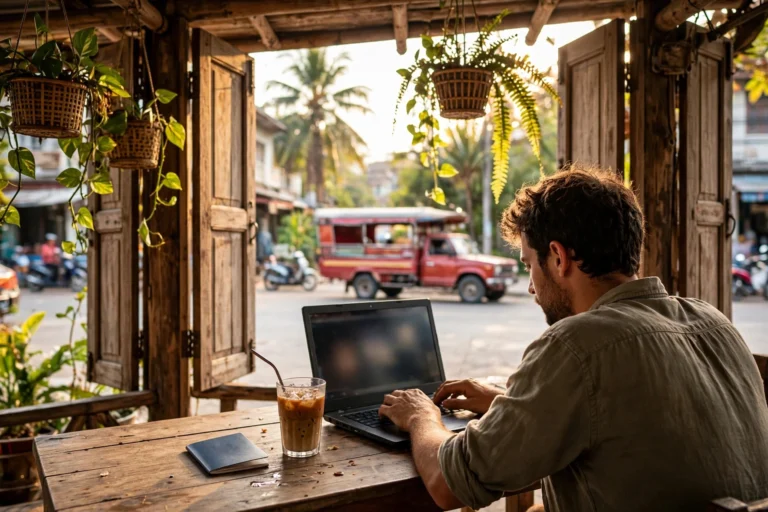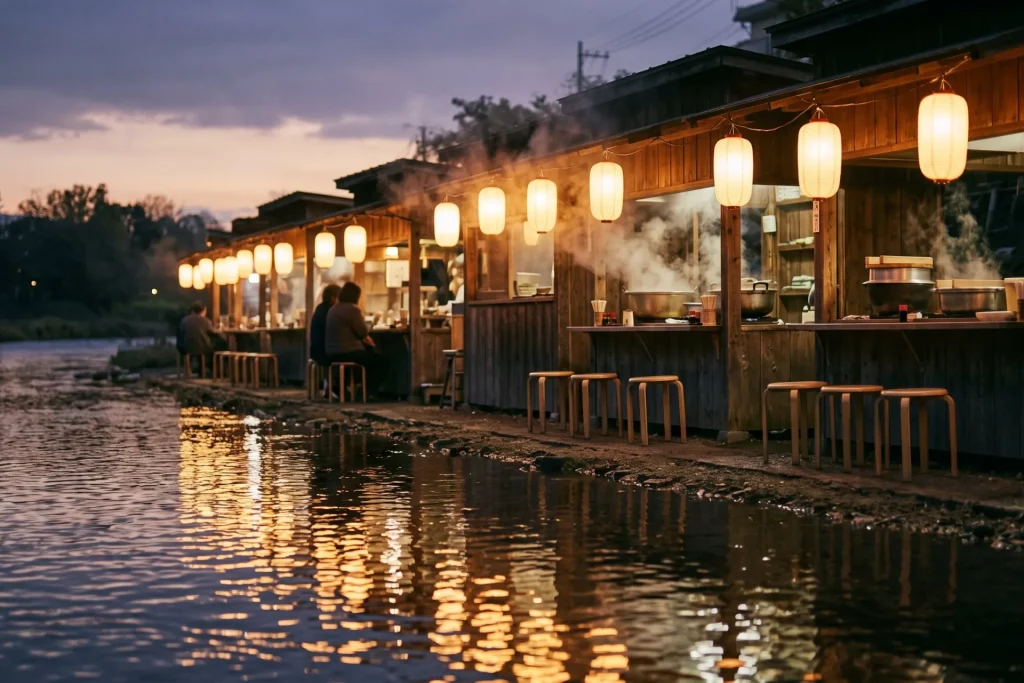
Fukuoka is one of Japan’s most practical large-city bases for remote workers: compact, well connected, cheaper than Tokyo and supportive of newcomers. The catch is the legal route. Japan’s digital nomad visa lasts up to six months, cannot be extended, requires about ¥10 million a year in income and private health insurance, and is open only to nationals of eligible countries. Holders also cannot join Japan’s National Health Insurance. That makes Fukuoka a good fit for high earners who want a structured six-month stay, and a poor fit for anyone looking for a cheap, open-ended base.
This guide covers community, health and costs in Fukuoka. Figures are 2026 estimates from published guides and listings, so confirm current prices and rules on official sources. It is general information, not legal, tax or medical advice.
Fukuoka at a glance
| What to know | |
|---|---|
| Rent | Furnished central 1K listings typically ¥65,000 to ¥85,000; 1LDK about ¥85,000 to ¥115,000 |
| Time zone | UTC+9: early-evening overlap with European mornings, and late-night overlap with the US East Coast |
| Legal stay | Six-month digital nomad status, or a short tourist stay for eligible nationalities (not for work) |
| Healthcare | Excellent, but nomad visa holders need private insurance and cannot use National Health Insurance |
| Getting around | Subway, trains and buses; the airport is a few minutes from the center and a car is unnecessary |
| Internet | Home fiber, 5G and coworking make it technically easy to work |
Visa and tax
Japan’s digital nomad status is a Designated Activities category launched in April 2024. Reported requirements include annual income of about ¥10 million (roughly US$64,000 at recent rates), remote work for a non-Japanese employer or clients, private health insurance and citizenship of one of a list of eligible countries. It lasts up to six months, cannot be extended and does not give a residence card. Re-application rules are strict, so check the official Ministry of Foreign Affairs page for the current details before you plan a second stay.
For stays under 90 days, nationals of visa-exempt countries can enter as tourists, but tourist status generally does not permit work. Fukuoka’s city government has also promoted startup visas for founders, which are a separate route from the nomad status. Our best countries guide compares Japan with other programs, and the visas guide explains how applications work. Because this is a short stay, tax residence rules differ from countries with longer permits, but confirm with a cross-border tax professional.
What it costs
| Item | Reported 2026 range |
|---|---|
| Furnished 1K in central Fukuoka | About ¥65,000 to ¥85,000 a month, roughly $420 to $550 at ¥155 to the dollar |
| Furnished 1LDK | About ¥85,000 to ¥115,000, roughly $550 to $740 |
| Monthly apartments overall | Around ¥70,000 to ¥120,000; about ¥100,000 near Hakata and Tenjin, and ¥60,000 to ¥80,000 in the suburbs (an earlier 2025 guide) |
| Coworking | One central space listed a monthly plan at ¥22,000 plus a ¥22,000 initial fee in September 2026 |
| Utilities | May add about ¥10,000 to ¥15,000 a month if not bundled |
Rent in Fukuoka is roughly 60% of Tokyo levels in one agency’s comparison, and a weak yen has made Japan more affordable for foreign earners in 2026. Even so, Japan is not a budget base, and living space is small. Traditional leases involve key money and guarantors, so foreigners staying for months usually rent through monthly-apartment and foreigner-friendly agencies, some of which advertise no deposit and no key money. Our budget guide shows how costs compare across bases.
Where to live
- Hakata. Around the main station, with the airport a few minutes away by subway and easy rail connections.
- Tenjin. The central shopping and business district, with cafés and coworking nearby.
- Yakuin, Ohori and Ropponmatsu. Quieter, more residential areas a short subway ride from the center, often recommended for longer stays.
Choose a place close to a subway or train station and to a workspace you will actually use. Fukuoka is compact enough that this covers most daily needs without a car.
Getting around
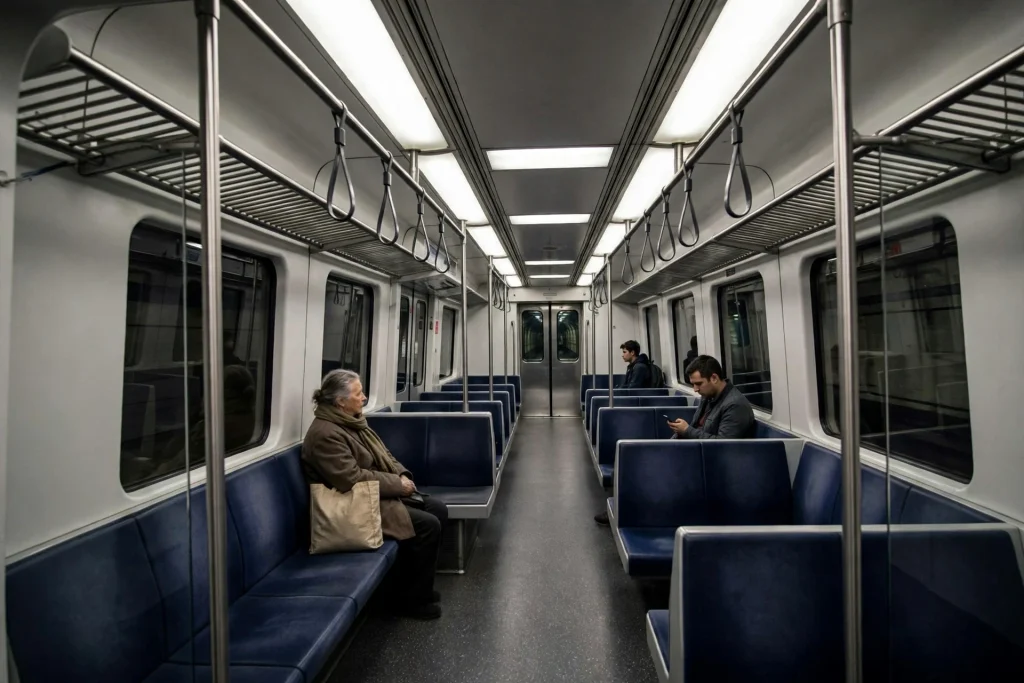
Fukuoka Airport is about five minutes from Hakata and about eleven from Tenjin by subway, which is unusually close for a big city. Trains, subways and buses cover most trips, and walking or cycling works for short ones. It is one of the easiest places in Japan to live without a car.
Community and workspaces
Fukuoka has positioned itself as a startup city, with coworking spaces, events and English-language support services for newcomers. Nomad and workation events, such as Colive Fukuoka, have made it one of Japan’s easier places to meet other remote workers. Language is still the main barrier: forms and leases are often in Japanese, so bring a Japanese speaker or use an agent for paperwork. Local rules on rubbish sorting, noise and property use are strict and taken seriously. See how to make friends while traveling solo and work-life balance as a digital nomad, which includes schedules for a large time difference.
Health: insurance and care
Japanese healthcare is excellent, but as a nomad-visa holder you are not eligible for National Health Insurance, so private insurance is both a visa requirement and your only cover. Guides report that the required policy must cover at least ¥10 million in medical expenses, but confirm the wording on the official page before you buy. Clinics with English-speaking staff can be hard to find, so identify English-friendly hospitals and clinics before you arrive, and keep your insurer’s assistance number handy. Our guide to choosing health insurance as a digital nomad explains what to check, including how claims work.
Climate matters for comfort too. Japan has a rainy season in early summer and typhoon season in late summer and autumn, and summers are hot and humid, so many people plan stays for spring or autumn. If you are coming from a long flight, see how to beat jet lag.
Who Fukuoka suits, and who it does not
- A good fit: employees of foreign companies earning above the visa threshold, people who value safety, transport and order, and anyone who wants a structured six-month stay in Japan without Tokyo’s costs.
- A poor fit: freelancers without the income or an eligible nationality, people who want to stay long term without changing visa status, and anyone looking for a low-cost base.
Our slow travel guide explains how to make the most of a fixed-length stay, and the packing list covers airport rules for the trip.
Frequently asked questions
Can I live in Fukuoka as a digital nomad?
Yes, if you qualify for Japan’s digital nomad status: about ¥10 million a year of foreign income, private health insurance and a passport from an eligible country. It lasts up to six months and cannot be extended.
How much does it cost to live in Fukuoka?
A furnished central 1K typically rents for about ¥65,000 to ¥85,000 a month, and a 1LDK for about ¥85,000 to ¥115,000. Fukuoka is cheaper than Tokyo, but Japan overall is not a budget destination.
Can nomad visa holders use Japan’s public health insurance?
No. Guides report that nomad-visa holders are not eligible for National Health Insurance, so you need private insurance that meets the visa requirements.
Do I need a car in Fukuoka?
No. The subway, trains and buses cover most needs, and the airport is close to the center.
Last reviewed: September 2026. Visa requirements, eligible countries, rents and exchange rates change often. Figures are reported estimates. This article is general information, not legal, tax or medical advice; always confirm details on Japan’s official government sites and with qualified professionals.