
Choose digital nomad health insurance by answering three questions: how long and where you will live abroad, what your health needs are, and what your visa requires. If you are healthy and moving around for a few months, travel medical insurance for emergencies may be enough. If you will live abroad for a year or more, need routine care, take regular medication or have an existing condition, you will usually need international private medical insurance (IPMI) or a local plan. Whichever you choose, the details that matter are in the exclusions: existing conditions, cover in your home country, mental health, scooters and evacuation limits.
We do not rank insurers here because prices, terms and products change quickly, and the right plan depends on your age, health and destination. Instead, this guide shows you how to compare policies on the points that decide whether a claim is paid. It is general information, not insurance or medical advice.
The main types of cover
| Type | What it is for | Usually covers | Usually does not cover |
|---|---|---|---|
| Travel insurance | A single trip | Cancellations, delays, lost luggage, some emergency care | Routine care, long stays, living abroad |
| Travel medical or nomad insurance | Emergencies while moving between countries | Accidents and sudden illness, hospital stays, evacuation, subject to limits | Routine and preventive care, existing conditions, often mental health and maternity |
| International health insurance (IPMI) | Living abroad long term | Routine check-ups, specialists, prescriptions, chronic conditions, often mental health, plus evacuation | Anything excluded after medical underwriting; costs more |
| Local insurance or public scheme | Residents of one country | Care inside that country’s system, often at lower cost | Care elsewhere; may need residency, a waiting period or local language |
As a rough rule from insurers’ own guidance, travel medical plans suit shorter stays and healthy people, while long stays, families and people with existing conditions are usually better served by IPMI or a local plan.
What your visa may require
Many nomad visas set specific rules for insurance, and a policy that is fine for travel can fail them. Check the official requirements before you buy, and ask the insurer for a certificate that contains the wording the embassy needs.
| Country | What is reported |
|---|---|
| Colombia | Health coverage for the stay is part of the nomad visa requirements |
| Indonesia (E33G) | Guides report that international health insurance is required and travel insurance is not accepted |
| Spain | Reports describe cover equivalent to the Spanish public system, with no co-payments and no waiting periods |
| Georgia | Reports say mandatory travel insurance with a minimum cover started in 2026; confirm the current rule |
| Portugal (D8) | Health insurance is part of the required documents |
Our visas guide explains how applications work, and the best countries guide has the current requirements.
Nine things to check in any policy

- Where it covers you. Match the policy to the country you actually live in. Many plans are priced by region, and some exclude certain places.
- Existing conditions. Definitions can be broad. Some plans exclude them, some cover them after underwriting or a waiting period, and failing to disclose one can lead to a policy being cancelled and claims rejected.
- Routine versus emergency-only care. Decide whether you need check-ups, prescriptions and specialist visits, or only emergencies.
- Deductible and co-payments. A higher deductible lowers the premium, but some visas require zero co-payments.
- Mental health. Confirm whether it is included in your tier and whether there are session caps. Some plans cover only acute psychiatric emergencies. See digital nomad burnout for how licensing affects online therapy abroad.
- Home-country cover. Many plans exclude or limit it to emergencies or a set number of days. If you will spend months at home, check the rule. If you rely on public healthcare there, you may choose to cut it and lower your premium.
- Evacuation and repatriation. The CDC warns that a medical evacuation can cost tens of thousands of dollars and sometimes far more. Check the limit and who decides when you can be moved.
- Activities. Check the rules on motorbikes and scooters, diving and climbing. Scooter accidents are widely cited as a leading claim among nomads, and many policies restrict or exclude them.
- Renewal and age. Premiums tend to rise with age. Check the upper age limit, whether renewal is guaranteed and how the price can change.
The scooter problem
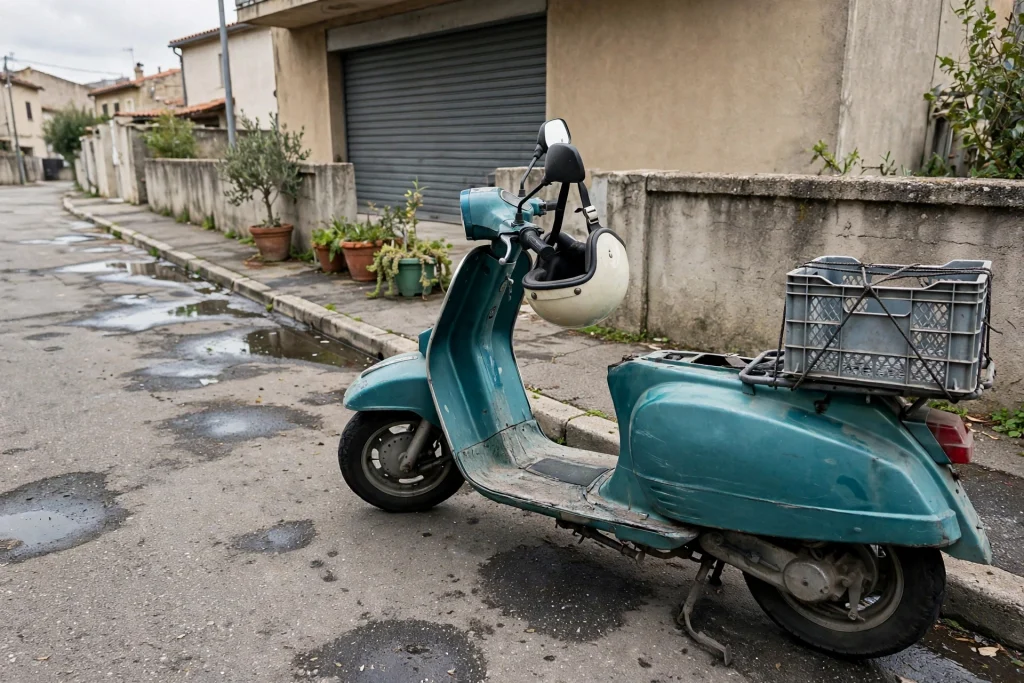
In many popular bases, renting a scooter is the easiest way to get around and one of the easiest ways to get hurt. Before you ride, read the policy wording on whether riding is covered at all, whether you need a license valid for that vehicle, and whether a helmet is required. An accident that falls outside the policy can leave you paying a hospital bill yourself. Wear a helmet, and do not ride without the right license.
What it costs
Prices vary widely with age, region, deductible and cover level, so get quotes for your own situation. As a rough indication, one insurer’s early-2026 comparison for a healthy 30 to 35 year old put budget travel cover at about €40 to €65 a month, mid-range nomad plans at about €65 to €165, basic international health insurance at about €140 to €230 and premium plans at €220 to €370 or more. Treat these as ballparks from a provider’s own guide, not offers. A higher deductible and a narrower region lower the price, while home-country cover and mental health cover raise it.
Before you need it: a claims checklist
- Save the insurer’s emergency assistance number and your policy number in your phone and offline.
- Find out whether you must pay first and claim later, or whether the insurer can pay hospitals directly.
- For hospital stays, contact the insurer early. Some policies require pre-authorization.
- Keep every receipt, medical report and prescription, and photograph them.
- Know where the nearest good clinic and hospital are in each base.
Related guides: food and water safety while traveling and carrying medicines and supplements across borders.
Common mistakes
- Relying on credit card travel cover. It is usually limited and no substitute for proper health insurance; see credit cards for digital nomads.
- Buying after a problem starts. Most policies exclude anything that began before the start date.
- Choosing on price alone. The cheapest plan is often the one with the exclusions that matter to you.
- Letting cover lapse. Gaps while you switch policies, or when you return home, can leave you uninsured.
- Not planning for older age. If you plan to retire abroad, see how to retire early as a digital nomad, including why Medicare generally does not cover care outside the United States.
Frequently asked questions
Is travel insurance enough for a digital nomad?
Sometimes, for short stays and healthy travelers, but travel policies are built for trips and usually exclude routine care and long stays. If you live abroad for a year or more, or your visa requires health insurance, you will probably need a nomad medical plan with the right scope, or international or local health insurance.
What is the difference between travel medical insurance and IPMI?
Travel medical insurance focuses on emergencies and accidents. International private medical insurance also covers routine care, specialists, prescriptions and chronic conditions, usually after medical underwriting, and costs more.
Do nomad insurance plans cover my home country?
Often only in limited ways, such as emergencies or a set number of days. Check the home-country rules before you buy if you plan to visit home for long periods.
Does insurance cover scooter accidents?
It depends on the policy. Many restrict or exclude motorbike and scooter accidents, or require a valid license and a helmet, so read the activity terms before you ride.
Last reviewed: September 2026. Insurance terms, prices and visa requirements change and vary by country, age and health. This article is general information, not insurance or medical advice, and we do not recommend specific providers. Read each policy’s wording and speak to a licensed adviser if you are unsure.