
There is no single best country for digital nomads. The right base is the one where you can stay legally for as long as you plan, afford the lifestyle on your income, work in a workable time zone with reliable internet, and stay healthy and connected. Start with the visa, because visa income thresholds now rule out more places than cost does. For many first-time nomads, a sensible shortlist is Thailand for low costs and a large community, Georgia for long visa-free stays, Colombia for a Latin American base with a moderate income bar, and Portugal or Spain if your income clears their higher thresholds.
Visa rules and prices change often, so this guide gives you a snapshot as of September 2026 and a method for choosing, and it points you to official sources. Nothing here is legal or immigration advice.
Start with the visa, not the beach
Tourist status generally does not permit remote work in your host country, and staying for months on one is a legal gray area at best; see how to become a digital nomad. Dozens of countries now offer a remote-work route, though counts vary from about 40 to 70 depending on how programs are defined. Requirements are usually tied to the local minimum wage or to a fixed income, so they shift each year. Programs also change and sometimes close, and official portals and older articles often lag behind the current rules. For how applications work and what gets them rejected, read digital nomad visas explained.
| Country | Route | Main requirement (2026, approximate) | Stay |
|---|---|---|---|
| Thailand | Destination Thailand Visa (DTV) | Around 500,000 baht in funds and a 10,000 baht fee; work must be for employers or clients outside Thailand | Up to 180 days per entry over five years, extendable once by 180 days |
| Portugal | D8 digital nomad visa (the D7 is for passive income) | About €3,680 a month, four times the €920 minimum wage, plus savings | One-year residence permit, renewable |
| Spain | Digital nomad visa | About €2,849 a month, 200% of the minimum wage | Check the current permit length |
| Georgia | Visa-free entry for eligible nationalities, or the “Remotely from Georgia” status | Visa-free: none. The status asks for about $2,000 a month or $24,000 in savings, plus insurance | Up to 365 days visa-free |
| Colombia | Type V digital nomad visa | Three times the minimum wage: about COP 5.25 million a month, roughly US$1,400 at recent rates, shown for each of the last three months, plus health cover | Up to two years |
| Mexico | No dedicated nomad visa; temporary residence based on income or savings, or visitor entry | Thresholds set through consulates and calculated with the UMA index since 2025 | Visitor stays are typically up to 180 days at the officer’s discretion |
| Indonesia (Bali) | E33G remote worker visa | About US$60,000 a year and a contract with a company outside Indonesia | One year |
| Malaysia | DE Rantau Nomad Pass | About US$24,000 a year | One year, extendable once |
| Japan | Digital nomad visa | About ¥10 million a year; only for nationals of countries with a tax treaty and visa-free entry to Japan | Up to six months, not renewable |
| Taiwan | Digital nomad visa | Check the current income requirement | Cumulative stay of up to two years since January 2026 |
Several details matter more than the headline numbers:
- Thresholds move. Colombia’s requirement rose sharply in 2026 after its minimum wage increased by about 23%, so guides quoting “$750 a month” are out of date. Portugal’s rose when its minimum wage went from €860 to €920.
- Georgia changed its rules. Visa-free entry for 95 or more nationalities remains, but reports say new labor rules that took effect on 1 March 2026 affect people who work there, including remotely, and that travel insurance became mandatory at the border in 2026. Check the official pages before you go.
- Thailand changed its rules too. New DTV documents have applied since 31 August 2026, and visa-free tourist stays for many nationalities fell from 60 to 30 days on 15 September. See our Destination Thailand Visa guide for the details.
- Employees and freelancers are treated differently. Some programs, such as Indonesia’s and Japan’s, generally expect an employment contract, while Thailand, Malaysia and Taiwan accept freelancers.
- A visa is not a tax status. Most of these countries treat you as a tax resident after about 183 days, whatever your visa says, and some use other tests as well. Our digital nomad taxes guide explains how tax residency works.
- Nationality changes everything. Eligibility, visa-free lists and requirements depend on your passport. Always confirm on the country’s official immigration site.
What a base actually costs
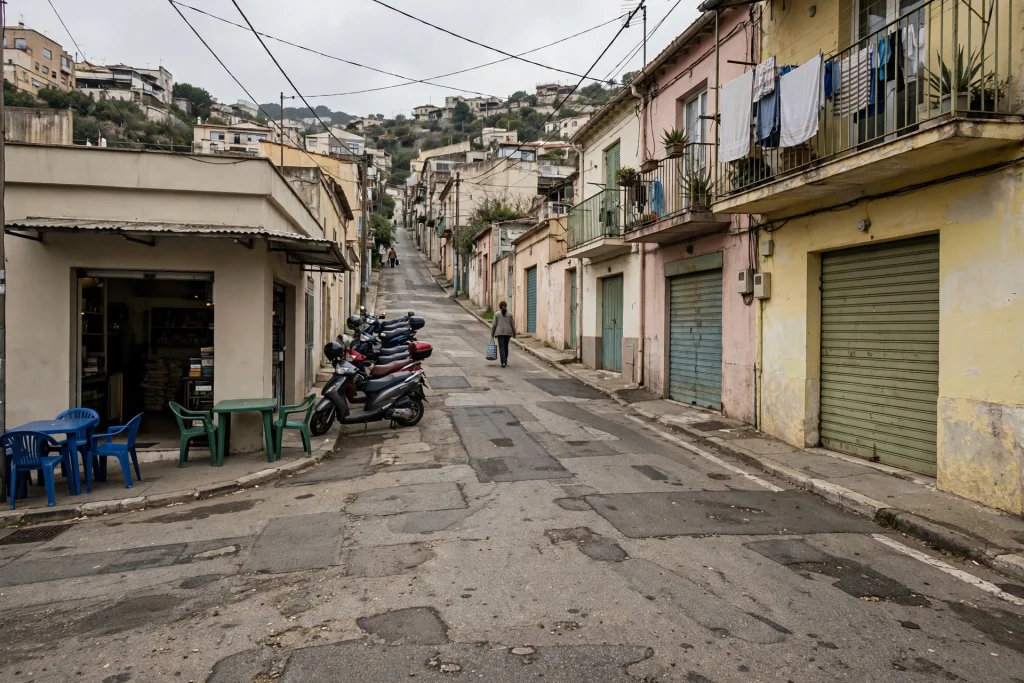
In our 2026 estimates for a single remote worker with a private apartment, lean budgets start around $1,200 a month in Chiang Mai and Medellín and about €1,500 in Lisbon. Comfortable budgets are roughly $1,800 to $2,500 in Chiang Mai, $1,500 to $2,500 in Medellín, and €2,000 to €2,500 or more in Lisbon, where rent dominates. Costs rise as places get popular, and your neighborhood, apartment standard and how often you move change the total more than the country does. See how to travel full-time on a budget for the full breakdown.
Popular bases by region
Southeast Asia
Thailand is the easiest starting point for many nomads, with the DTV asking for savings rather than a monthly income, a large community in Chiang Mai and low lean budgets. Since 15 September 2026, visa-free tourist stays for many nationalities are 30 days instead of 60, so anything longer than a short trip now points toward the DTV. The trade-off is air quality: northern Thailand has a smoky season from roughly February to April, and Chiang Mai has topped global pollution rankings on bad days, so plan your months carefully. Bali is popular but the E33G visa’s $60,000 income bar excludes many people, so most stay on short visit visas. Malaysia’s DE Rantau pass has a moderate income requirement and accepts freelancers. For costs, the burning season and healthcare, see our Chiang Mai guide.
Europe
Portugal and Spain offer EU residence for people who can meet their income bars, with Spain’s lower. Lisbon is well connected but much pricier than it was a few years ago. Georgia is the opposite kind of option: no income requirement for a year of visa-free stay if your passport qualifies, low costs and a growing community, but new labor rules to check. Schengen countries limit non-EU visitors to 90 days in any 180; see our slow travel guide for how to plan around it. We also have a Lisbon guide.
Latin America
Colombia’s nomad visa has one of the lower income thresholds among major programs, though it has risen, and Medellín has a large remote-work community. Mexico has no dedicated visa, but many nationalities can stay as visitors for several months, and longer stays need a temporary resident visa with income or savings requirements. Both share time zones with North America, which helps if your clients are there. Our Medellín guide covers costs, air quality and safety.
East Asia
Japan, South Korea and Taiwan offer high quality of life, safety and excellent infrastructure. Their visas suit higher earners or shorter stays: Japan’s requires roughly ¥10 million a year and lasts six months, while Taiwan lets you stay up to two years in total. South Korea’s workation visa has been changing, so check its current terms. Our Fukuoka guide covers Japan’s six-month status in detail.
A rough guide by income
| Your situation | Options worth checking first |
|---|---|
| Modest or irregular income, some savings | Thailand’s DTV (savings-based), Georgia’s visa-free stay if your nationality qualifies, short visitor stays elsewhere |
| Steady income of roughly $1,500 to $3,500 a month | Colombia, Malaysia, Georgia’s remote status, Spain at the upper end |
| Steady income above roughly $4,000 a month | Portugal’s D8, Spain, plus Colombia and Thailand for lower-cost bases |
| Employee earning around $60,000 a year or more | Indonesia’s E33G, Japan, and all of the above |
This is a starting point, not a guarantee. The exact bar depends on your nationality, how income is proven and each year’s minimum wage.
The checks that decide whether you stay
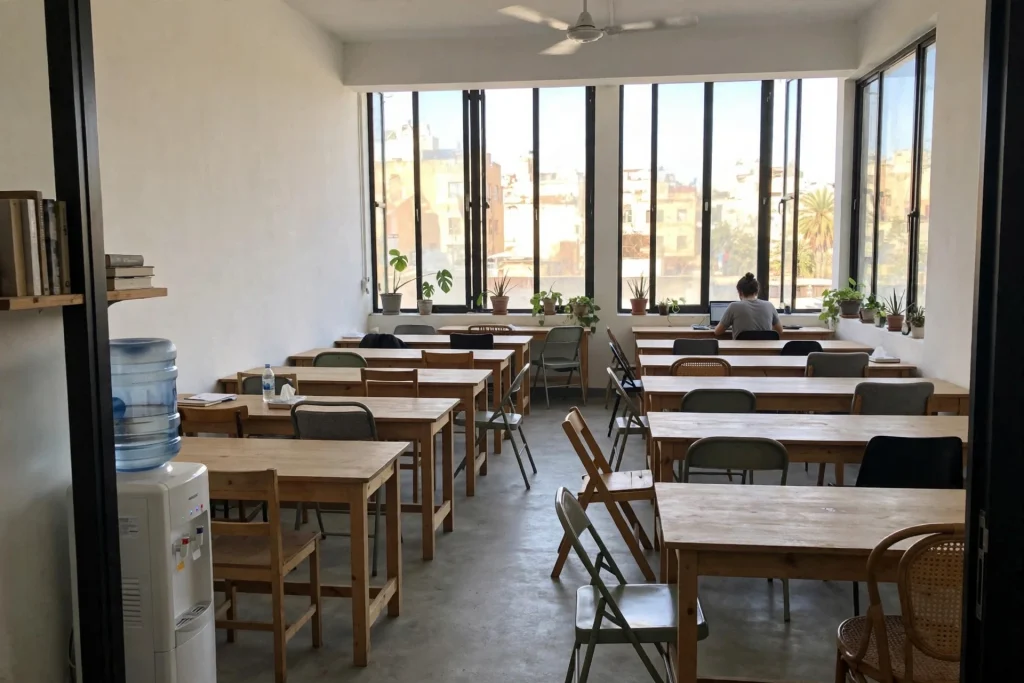
- Time zone overlap. Three to four hours with your team or clients. See work-life balance as a digital nomad for sample schedules.
- Internet and workspaces. Ask hosts for a speed test and find a coworking backup.
- Healthcare and insurance. Know where you would go for treatment, and check what your insurance covers there. See how to choose health insurance as a digital nomad.
- Community. Loneliness is the most common reason nomads go home. Look for coworking spaces, coliving and meetups; see how to make friends while traveling solo and digital nomad burnout.
- Climate and air quality. Check the seasons, including smoke, monsoon and extreme heat, before you book.
- Money access. Make sure your cards and accounts work there; see credit cards for digital nomads and high-yield savings accounts for digital nomads.
Common mistakes when choosing a country
- Choosing on cost alone. A cheap base with a bad time zone or no legal way to stay is not cheap.
- Trusting an old list. Requirements, prices and even whole programs change within a year.
- Committing before a test. Spend a month first. Our slow travel guide explains how.
- Ignoring tax. Days in a country can create tax residence regardless of your visa. Read how digital nomad taxes work before you plan a long stay.
- Planning only the first year. If you hope to stay long term or retire abroad, read how to retire early as a digital nomad for the visa and healthcare questions that come later.
Frequently asked questions
What is the easiest country to get a digital nomad visa?
It depends on your nationality and income. Georgia needs no visa for citizens of about 95 countries, for up to a year. Thailand’s DTV is based on savings, and Colombia has a comparatively moderate income requirement. Countries such as Portugal, Indonesia and Japan set much higher bars.
Do I need a digital nomad visa?
Not always. Visa-free entry or a short visitor stay can work for a few weeks, but tourist status usually does not permit work, so for longer stays a remote-work visa or resident permit is the safer route.
Which country is cheapest for digital nomads?
Cost depends on your lifestyle, neighborhood and how often you move. In our 2026 estimates, lean budgets start around $1,200 a month in Chiang Mai and Medellín, and higher in Lisbon, with comfortable budgets well above that.
How many countries offer digital nomad visas?
Dozens. Counts range from roughly 40 to 70 depending on how programs are defined, and the list changes as programs launch, change or close.
Last reviewed: October 2026. Visa requirements, income thresholds, exchange-rate conversions and entry rules change often and depend on your nationality. Figures are approximate; always confirm on each country’s official immigration website before you apply or travel. This article is general information, not legal or immigration advice.