Most healthy travelers do not need a bag full of supplements. A varied diet, good sleep and daylight cover most needs. A few supplements can make sense in specific situations, such as vitamin D if you get little sun, vitamin B12 if you eat a vegan diet, or melatonin used carefully for jet lag. Many popular “focus” and “immunity” products have weak or mixed evidence. This guide explains what the research actually says, the safety issues travelers often miss, and how to carry supplements across borders.
This article is general information, not medical advice. Speak to a doctor or pharmacist before starting any supplement, especially if you take medication, are pregnant or breastfeeding, or have a health condition.
First, understand how supplements are regulated
Supplements are not regulated like medicines. In the US, the FDA regulates dietary supplements more like food than drugs and does not require them to prove safety or effectiveness before they go on sale. Quality varies between brands and countries, and products can contain more, less or different ingredients than the label says. Two practical rules follow:
- Choose products with independent quality testing, such as a USP or NSF certification mark, where available.
- Be cautious of claims that a product “boosts immunity”, “enhances brain power” or “fights fatigue”. These phrases are marketing, not evidence.
Reliable, independent information on individual supplements is available from the US National Institutes of Health’s Office of Dietary Supplements and the National Center for Complementary and Integrative Health.
What the evidence says about popular supplements
| Supplement | Common claim | What the evidence says | May be worth discussing with a doctor if… |
|---|---|---|---|
| Vitamin D | Energy, immunity, mood | Important for bones and general health; supplements mainly help people who are low in it | You get little sun (winter, indoor work, covered clothing) or a blood test shows low levels |
| Vitamin B12 | Energy | Found almost only in animal foods; deficiency causes fatigue and nerve problems | You eat a vegan or mostly plant-based diet, or are older |
| Iron | Energy | Helps if you are deficient; too much can be harmful | A blood test shows iron deficiency |
| Melatonin | Jet lag, sleep | Some evidence for jet lag when timed correctly; the CDC advises against high doses | You cross many time zones, especially eastward |
| Omega-3 (fish oil) | Focus, brain health | Evidence for improving focus in healthy adults is mixed; eating oily fish is a good alternative | You rarely eat fish |
| Vitamin C | Prevents colds | Does not reduce how often people catch colds; may modestly shorten them | Rarely needed if you eat fruit and vegetables |
| Zinc | Fights colds | May shorten colds in some studies; results vary by product | You want to try it at the start of a cold (never nasal zinc sprays) |
| Probiotics | Prevent traveler’s diarrhea | The CDC describes the evidence as inconclusive | Food and water precautions matter more |
| Ashwagandha | Stress, sleep | Low-certainty evidence for stress; rare cases of liver injury and several drug interactions | Only after discussing risks with a doctor |
| “Nootropics” (lion’s mane, bacopa, rhodiola) | Focus, productivity | Limited, low-quality evidence in healthy adults | Sleep, exercise and breaks are better-proven focus tools |
We have deliberately left out doses. The right amount depends on your age, diet, health and any medication you take, and some supplements are harmful in large amounts. A doctor or pharmacist can advise, and the NIH fact sheets list recommended intakes and upper limits.
A closer look at the claims
Immunity: vitamin C, zinc, echinacea and elderberry
A Cochrane review of 29 trials with more than 11,000 participants found that taking vitamin C regularly did not reduce how often people caught colds in the general population, although it modestly shortened them. It did reduce colds in people exposed to short periods of extreme physical stress, such as marathon runners. Zinc may shorten colds in some studies, but results vary, and nasal zinc products have been linked to loss of smell. The NCCIH describes the evidence for herbal cold remedies such as echinacea as limited or inconsistent. The most effective ways to avoid getting sick on the road remain hand washing, sleep and food and water safety; see how to eat healthy while traveling.
Focus and productivity
Caffeine is the one widely used substance with solid evidence for short-term alertness, and most people already get it from coffee or tea. For “brain-boosting” supplements, the evidence in healthy adults is limited. Sleep, regular exercise, daylight and well-planned breaks have far stronger evidence for focus. See our guides on work-life balance and staying fit while traveling.
Stress and adaptogens
Ashwagandha is popular for stress, and some trials suggest a benefit, but the certainty of the evidence is low. The NCCIH notes rare cases of liver injury, advises avoiding it during pregnancy and breastfeeding, and lists possible interactions with medicines for diabetes, blood pressure, thyroid conditions, seizures and the immune system. If stress is affecting your life, our guide to digital nomad burnout covers better-proven approaches and how to find support abroad.
Sleep and jet lag
Melatonin has the best evidence for travel, specifically for jet lag, but timing matters and high doses are not recommended. Light exposure is at least as important. Our guide to beating jet lag explains how to time both.
Carrying supplements and medicines across borders
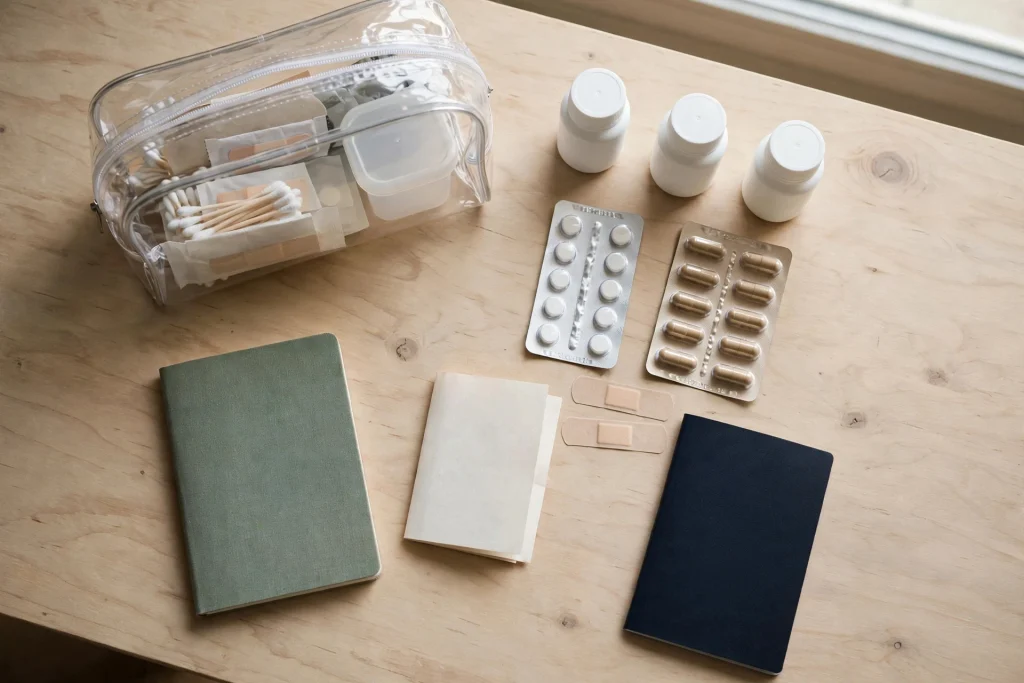
- Rules differ by country. Products sold freely at home may be prescription-only or restricted elsewhere. Melatonin, for example, is available over the counter in the US but prescription-only in the UK. Products containing CBD or certain herbal ingredients can be illegal in some countries.
- Keep original packaging with clear labels, and carry a doctor’s note or prescription for anything prescribed.
- Check before you fly on the destination’s embassy or customs website.
- Buy abroad carefully. Use proper pharmacies rather than market stalls to reduce the risk of counterfeit or poorly made products.
- Store products properly. Heat and humidity in tropical climates can degrade some supplements.
Get tested rather than guessing
If you feel constantly tired, a supplement is a guess. A doctor can check for common causes, such as low iron, vitamin D or B12, thyroid problems or poor sleep, and recommend treatment if needed. Many nomad bases have good private clinics where blood tests are affordable; check what your insurance covers.
Frequently asked questions
What supplements should I take while traveling?
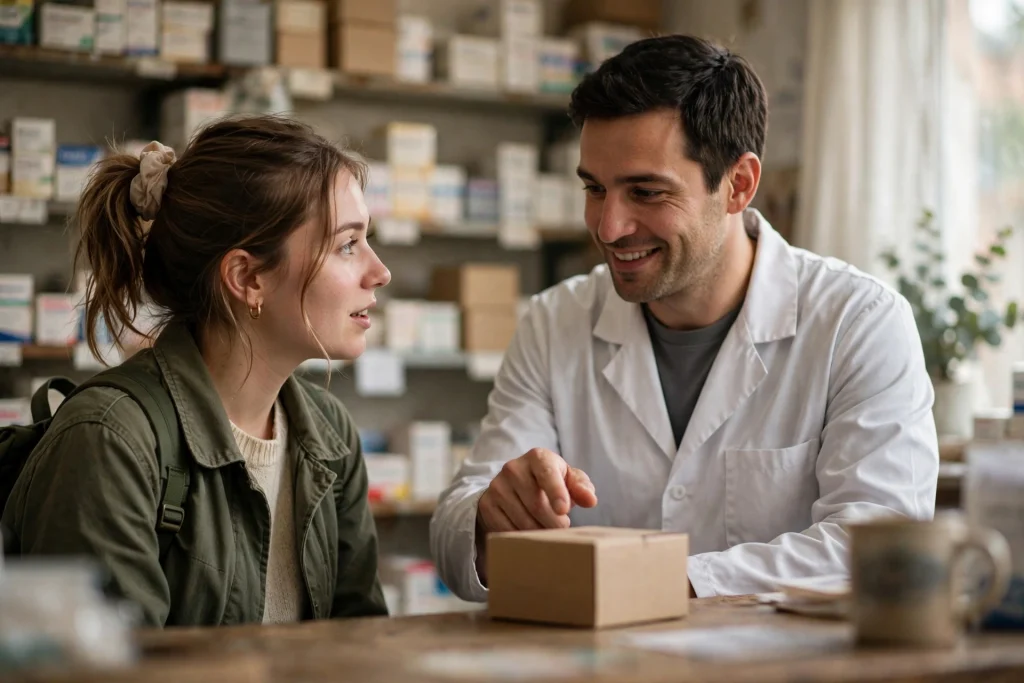
Most healthy travelers with a varied diet do not need any. Vitamin D, vitamin B12 and melatonin are the ones most often worth discussing with a doctor, depending on your sun exposure, diet and travel plans.
Do immune-boosting supplements work?
The evidence is weaker than marketing suggests. Regular vitamin C does not prevent colds in the general population, and the evidence for herbal remedies like echinacea is limited. Good sleep, hand washing and food safety matter more.
Can I bring supplements through customs?
Usually, in reasonable personal quantities and original packaging, but rules vary. Some products, such as melatonin or CBD, are restricted in certain countries. Check official customs guidance before you travel.
Last reviewed: September 2026. This article is general information and does not replace advice from a doctor or pharmacist.