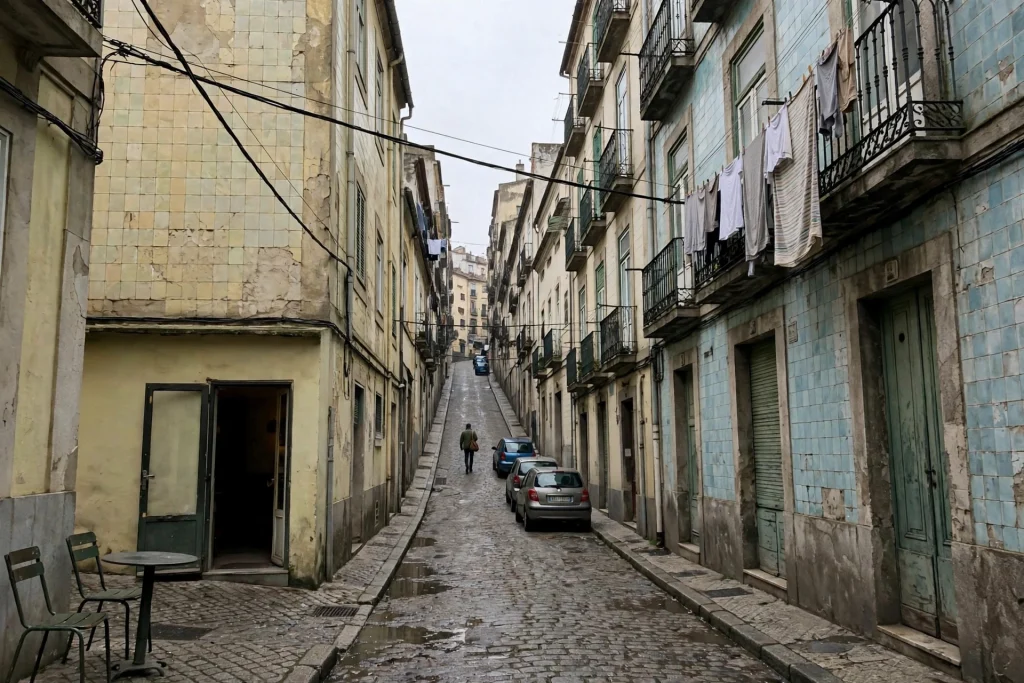
Lisbon is one of Europe’s most complete bases for remote workers: strong infrastructure, a mature nomad community, a friendly time zone and good private healthcare. It is no longer cheap. Rent is now the main cost, with an average one-bedroom around €1,350 a month, and a comfortable solo budget of roughly €2,000 to €2,500. Non-EU citizens need either Portugal’s D8 nomad visa, which asks for about €3,680 a month in income, or to stay within the Schengen limit of 90 days in any 180.
This guide covers community, health and costs in Lisbon. Figures are 2026 estimates from published guides and listings, so confirm current prices and rules. It is general information, not legal, tax or medical advice.
Lisbon at a glance
| What to know | |
|---|---|
| Comfortable monthly budget | About €2,000 to €2,500 for a single person; guides put a lean life closer to €1,500 |
| One-bedroom rent | Average about €1,350 (roughly €1,250 to €1,450); central areas €1,200 to €2,000 or more |
| Time zone | The same as the UK, which overlaps fully with Europe and gives a few hours with the US East Coast |
| Legal stay | EU citizens free to live; non-EU: D8 visa or 90 days in any 180 in Schengen |
| Healthcare | Public system (SNS) plus a strong private sector; most newcomers use both |
| Getting around | Metro, trams, walking and ride-hailing; a car is rarely needed |
| Internet | Generally strong; bundled internet, TV and phone plans run about €45 to €70 a month |
Visa and tax
The D8 requires income of four times Portugal’s minimum wage, which is about €3,680 a month in 2026 (the minimum wage is €920), plus savings of around €11,040 and health insurance. It is for people who work remotely for employers or clients outside Portugal; the D7 is a separate visa for passive income. Non-EU visitors without a visa can stay 90 days in any 180 across the whole Schengen area, so long stays need planning; see our slow travel guide.
Portugal generally treats you as a tax resident after 183 days, and its once-popular Non-Habitual Resident regime closed to new applicants after 2023. Our best countries guide compares the requirements, and the visas guide explains how applications work.
What it costs
| Item | Reported 2026 range |
|---|---|
| One-bedroom in Baixa or Chiado | Often €1,200 to €2,000 or more, especially furnished or short-term |
| One-bedroom in Campo de Ourique | Often €1,000 to €1,500 |
| One-bedroom in Arroios | Often €700 to €1,200, usually the best value of the central options |
| Coworking | From a day pass of about €10 to a monthly desk of nearly €400 in the priciest spaces |
| Internet, TV and phone bundle | About €45 to €70 a month |
Rent is the whole story. Food, transport and coworking matter less than which neighborhood you choose, and one guide suggests neighborhoods such as Intendente and Marvila cost 40 to 50% less than the center. Rents have risen sharply and housing affordability is a live issue for locals, so be a considerate tenant and avoid pushing for the most central listing by default. Our budget guide shows how Lisbon compares with other bases.
Where to live
- Chiado, Príncipe Real and Bairro Alto. The most central and expensive, with the most cafés and nightlife. Weekend nights can be loud, so check which side of the building the bedroom faces.
- Campo de Ourique. A residential neighborhood with a local feel and a mid-range price.
- Arroios and Intendente. More practical and cheaper, a little removed from the busiest nomad areas.
Lisbon is very hilly. Steep streets, cobbles and old buildings without lifts affect daily life more than photos suggest, so ask about the floor and the stairs.
Community and workspaces
Lisbon has one of Europe’s most mature remote-work ecosystems, with a wide range of coworking spaces, coliving houses and regular meetups. Coworking becomes optional if your apartment has a real desk, so you can use it selectively for calls or company. English is widely spoken, which makes settling in easy, though learning some Portuguese helps with landlords and paperwork.
Because the community is large and transient, friendships can stay shallow. See how to make friends while traveling solo, and our work-life balance guide for schedules that fit Lisbon’s time zone.
Health: healthcare and comfort
Public and private healthcare
Portugal’s public system, the SNS, provides low-cost care to registered residents, but access is stretched. One 2026 guide, citing a national news report, said that at the end of June 2026 about 1.67 million people in Portugal had no assigned family doctor, with Lisbon among the worst affected areas. That is why most newcomers combine SNS registration with private cover. The big private networks, including CUF, Hospital da Luz and Lusíadas, have English-speaking staff. The D8 requires health insurance, so read how to choose the right plan before you apply.
Winter indoors
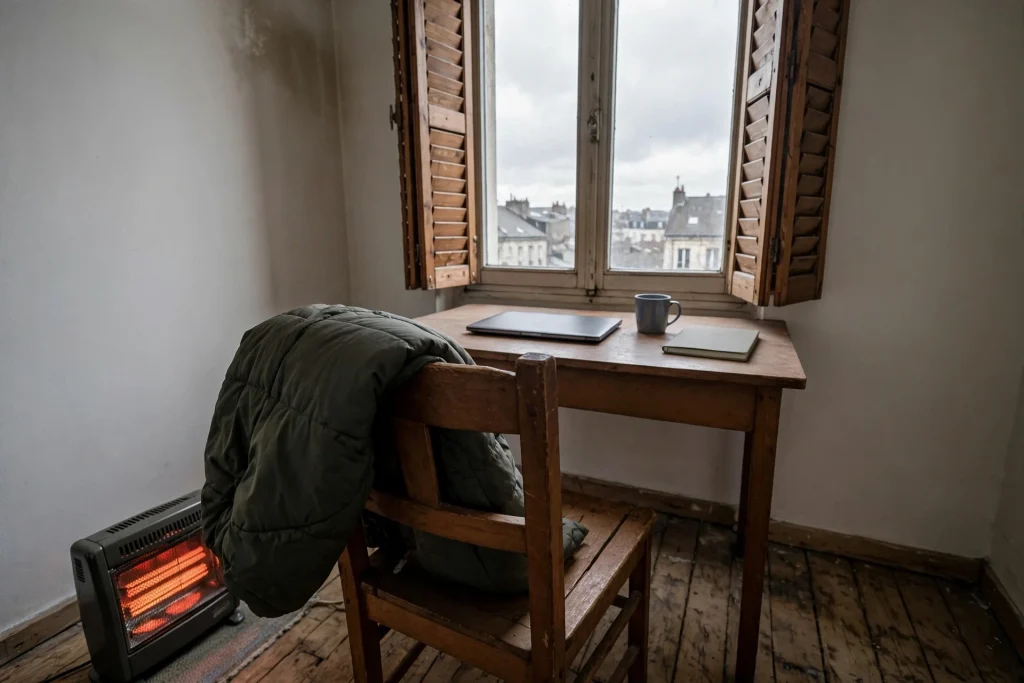
Lisbon is sunny for much of the year, but many older apartments lack central heating, and some long-term residents report cold, damp rooms in winter. Before you sign a lease for the colder months, ask how the apartment is heated, check for damp, and budget for electricity if you will use a portable heater. This affects working comfort as much as your health.
Safety and practicalities
Lisbon is generally regarded as safe, with petty crime and pickpocketing the main concern in crowded areas and on trams. Keep your phone and laptop bag close in busy spots, and note that a tourist police station operates in the city center. You can live without a car: the metro, trams, walking and ride-hailing cover most needs, and parking is costly. For your bag and airport rules, see our packing list.
Who Lisbon suits, and who it does not
- A good fit: people who work with European clients, want a polished city with strong infrastructure, and can meet the D8 income bar or already have EU residence.
- A poor fit: budget travelers, people who need flat streets, and anyone who wants a cheap base without a clear legal way to stay for months.
Frequently asked questions
Is Lisbon still worth it for digital nomads in 2026?
For many people, yes, though it is no longer a bargain. It remains cheaper than London, Amsterdam or New York and offers sunshine, strong safety, widespread English and a large community, but rent takes a large share of your budget.
How much does it cost to live in Lisbon as a remote worker?
Roughly €2,000 to €2,500 a month for a comfortable single life, including a central one-bedroom, food, transport and coworking. A leaner life is possible in cheaper neighborhoods, and couples can share costs.
Do I need a visa to work remotely from Lisbon?
EU citizens do not. Non-EU citizens generally need the D8 for long stays, or can visit for up to 90 days in any 180 under the Schengen rules, but tourist status usually does not permit work. Confirm the current rules on Portugal’s official sites.
Can I use the public health system in Lisbon?
Legal residents can register with the SNS, but waiting times and family-doctor shortages are widely reported, so most newcomers also carry private insurance, especially at the start.
Last reviewed: September 2026. Rents, visa requirements, healthcare access and tax rules change and depend on your nationality. Figures are reported estimates. This article is general information, not legal, tax or medical advice; confirm details with official sources and qualified professionals.