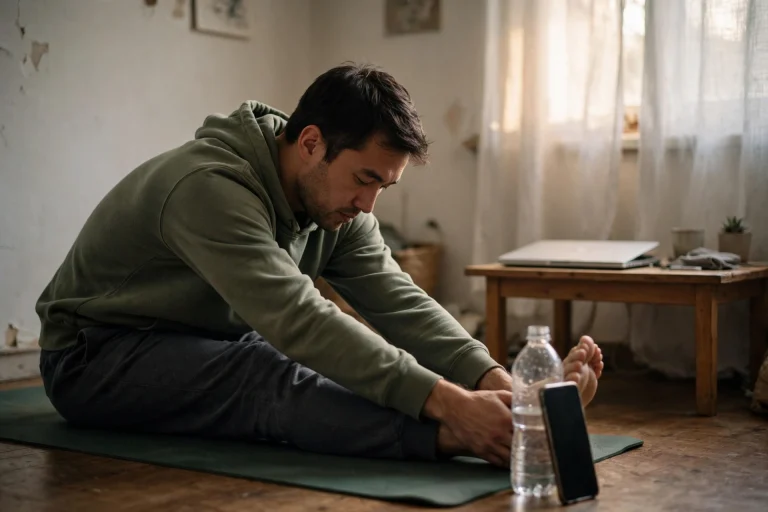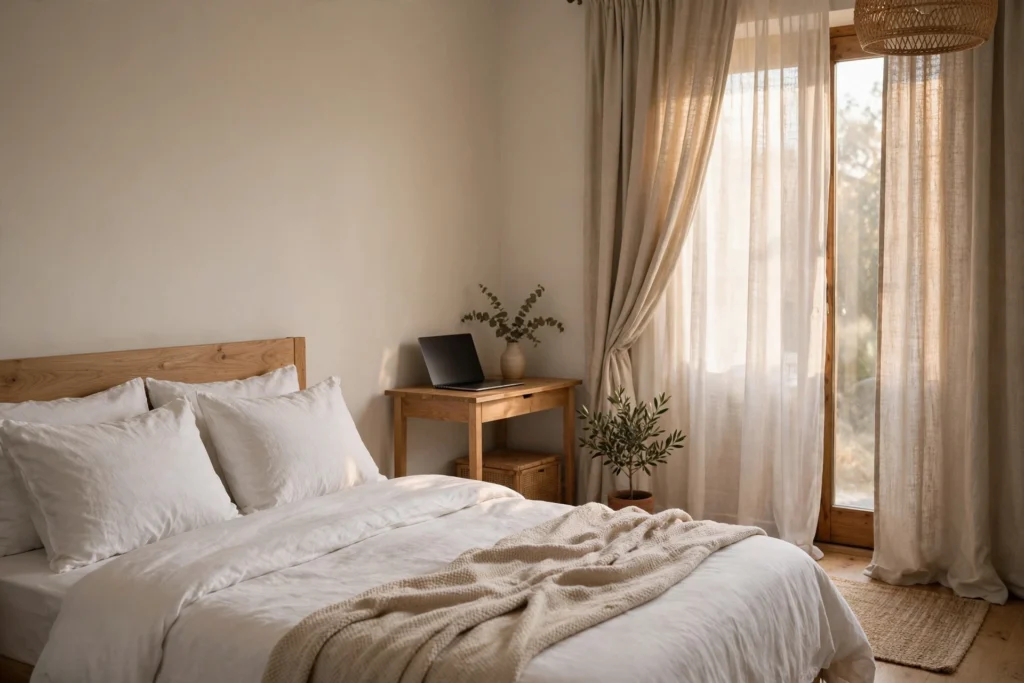
Sleep while traveling is harder than at home because the bed, the noise, the light and the schedule all change at once, and remote workers add late calls and laptop work in the same room where they sleep. The good news is that the basics are the same everywhere: a regular schedule, a dark, quiet, cool room and a wind-down. This guide turns the CDC and NHS advice into a routine you can set up in any rental, with notes on noise, heat, time zones and when to ask a professional for help.
This is general information, not medical advice. If you have ongoing sleep problems or a health condition, talk to a doctor. We do not recommend supplements or sleep products.
The short version
- Adults aged 18 to 60 need 7 or more hours a day, according to the CDC.
- Keep bed and wake times steady, including on days off and travel days where you can.
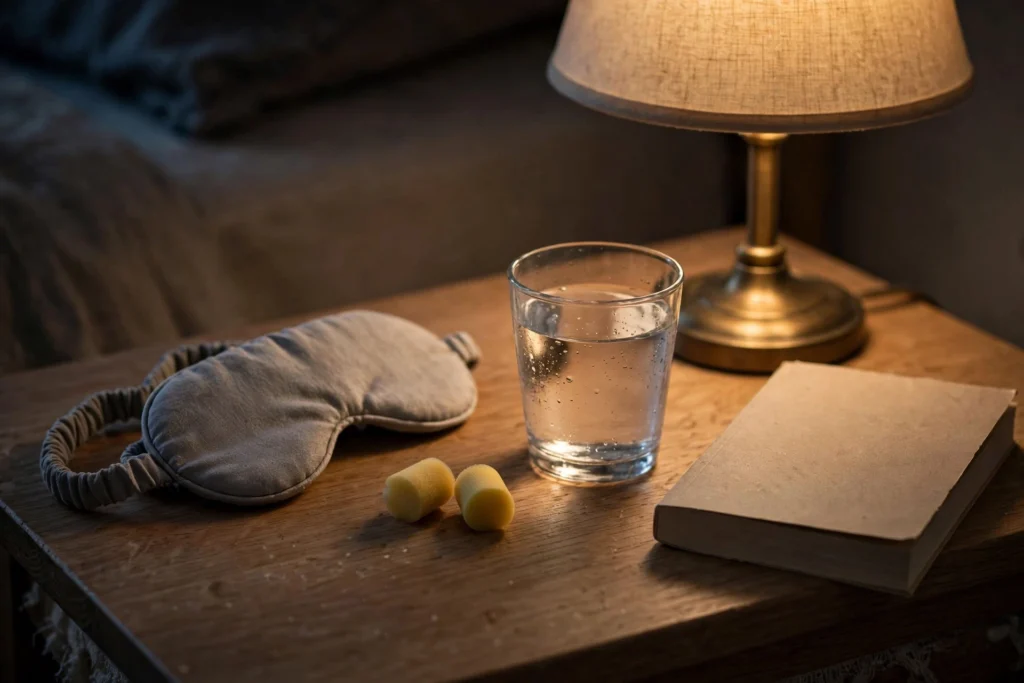
- Make the room quiet, dark and cool, using earplugs, an eye mask or background sound if the rental is not.
- Stop work and screens before bed, and keep caffeine and alcohol away from bedtime.
- Check the room on arrival, not at midnight, and ask about noise before you book a long stay.
What the CDC and NHS recommend
The CDC’s sleep page, dated 15 May 2024, gives these amounts: 7 or more hours a day for ages 18 to 60, 7 to 9 hours for ages 61 to 64 and 7 to 8 hours for ages 65 and over. Its habits list covers going to bed and getting up at the same time every day, keeping the bedroom quiet, relaxing and cool, turning off electronic devices at least 30 minutes before bed, avoiding large meals and alcohol before bedtime, avoiding caffeine in the afternoon or evening, and exercising regularly. The page links enough sleep with fewer illnesses, better mood and attention and lower risk of crashes and chronic conditions. It gives no study years for those claims.
The NHS Every Mind Matters page agrees on routine and adds details for the room: a quiet, dark, cool bedroom, with earplugs, closed curtains, an eye mask or background sounds such as white noise as options. It suggests avoiding alcohol for one to two hours before bed and avoiding phones, tablets and computers for an hour before bed. The CDC says 30 minutes and the NHS says an hour, so choose the longer one if you can. The NHS page shows no review date.
Set up the rental in the first hour
| Problem | What to try | Source of the idea |
|---|---|---|
| Street or neighbour noise | Earplugs, background sound, a different bedroom, or a request to switch units | NHS lists earplugs and background sound |
| Light from windows or devices | Close curtains fully, use an eye mask, cover standby lights | NHS lists closed curtains and an eye mask |
| Heat | Aim for a cool room, check how the fan or air conditioner works before bedtime | CDC and NHS both say cool |
| Work in the bedroom | Close the laptop and leave it out of reach. See our ergonomic setup guide for a workspace outside the bedroom | Our suggestion, in line with the CDC’s advice to power down devices |
Before booking a long stay, ask the host which direction the bedroom faces, whether there is a bar, a construction site or a main road nearby, and whether the air conditioning is in the bedroom. Our coliving guide lists room checks for shared houses.
Time zones and late calls
Late calls with clients in another time zone cut into sleep and push bedtime later. Our time zone guide shows how much working-hour overlap popular bases give you. Where you can, pick a base that puts calls earlier in your day, and keep the same wake time even after a late call. Our guide to jet lag covers how light and timing help after a long flight.
A simple evening routine
- Set a work end time and stop checking messages.
- Finish caffeine by the afternoon, as the CDC advises.
- Eat dinner earlier and keep it lighter than a large meal. See our guide to eating well while traveling.
- Leave alcohol at least one to two hours before bed, or skip it.
- Turn screens off for 30 to 60 minutes and do something quiet, such as reading or stretching.
- Get daytime movement. The CDC lists regular exercise among its habits, and our guide to staying fit while traveling has a plan.
When to ask for help
Poor sleep for a few nights in a new place is common. If it goes on, speak to a doctor. The NHS page links to its insomnia advice and to treatments from a GP or pharmacist, and does not give a set number of weeks. Sleep and mood are closely linked, so if low mood, anxiety or exhaustion come with it, read our guides to burnout and travel fatigue. Check supplement claims carefully before you buy; see what the evidence says.
Frequently asked questions
How much sleep do adults need?
The CDC says 7 or more hours a day for ages 18 to 60, 7 to 9 hours for ages 61 to 64 and 7 to 8 hours for ages 65 and over.
How do I sleep in a noisy rental?
The NHS suggests earplugs or background sounds such as white noise. If that does not work, ask the host about another room, and check noise before you book a long stay.
Does screen time before bed matter?
Both bodies advise turning devices off before bed: at least 30 minutes according to the CDC and an hour according to the NHS. Try an hour.
Is a regular schedule realistic when I travel?
Perfectly regular is hard on travel days, but keeping the same wake time on most days is a good target. Both the CDC and the NHS stress regular times, including days off.
When should I see a doctor about sleep?
If sleep problems continue or affect your mood, work or safety, speak to a doctor. The NHS page does not give a set timeframe, so use your own judgment and ask earlier if you are worried.
Sources
- US Centers for Disease Control and Prevention, “About Sleep”. cdc.gov. Page dated 15 May 2024. Accessed October 2026.
- NHS Every Mind Matters, “How to fall asleep faster and sleep better”. nhs.uk. No review date shown. Accessed October 2026.
Last reviewed: October 2026. This article is general information, not medical advice. If you have a sleep disorder or a health condition, speak to a doctor.